

Resistance to Bacillus thuringiensis mediated by an ABC transporter mutation increases susceptibility to toxins from other bacteria in an invasive insect
Evolution of pest resistance reduces the efficacy of insecticidal proteins from the bacterium Bacillus thuringiensis (Bt) used widely in sprays and transgenic crops. Recent efforts to delay pest adaptation to Bt crops focus primarily on combinations of two or more Bt toxins that kill the same pest, but this approach is often compromised because resistance to one Bt toxin causes cross-resistance to others. Thus, integration of Bt toxins with alternative controls that do not exhibit such cross-resistance is urgently needed. Recently, researchers at State Key Laboratory for Biology of Plant Diseases and Insect Pests, Institute of Plant Protection of CAAS have published a research paper on Plos Pathogens about new findings of resistance to Cry1Ac mediated by a disrupted ABCC2 increased susceptibility to the bacterial insecticides abamectin.
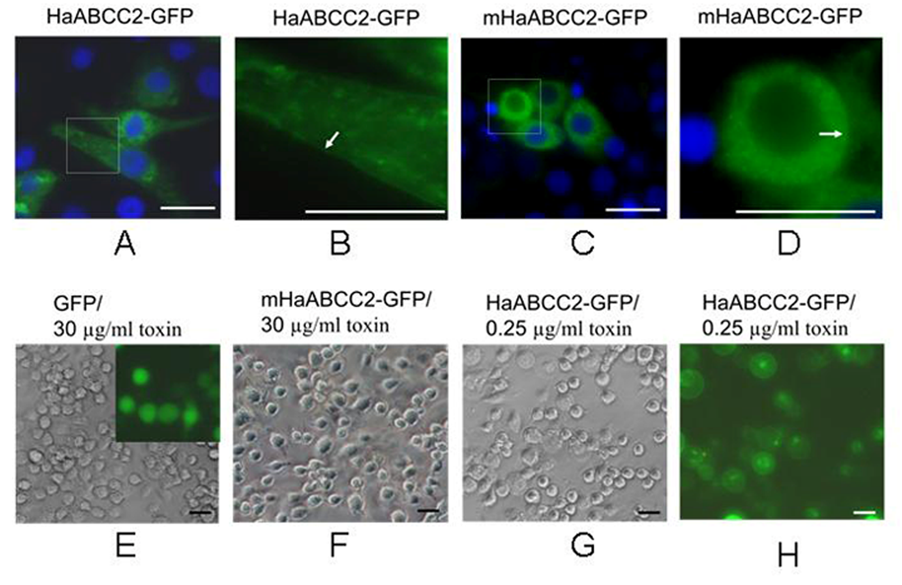
Expression of HaABCC2 confers susceptibility of Hi5 cells to Cry1Ac
The new results show that increased susceptibility to abamectin is genetically linked with the same mutation. Moreover, RNAi silencing of HaABCC2 not only decreased susceptibility to Cry1Ac, it also increased susceptibility to abamectin. The mutation disrupting ABCC2 reduced removal of abamectin in live larvae and transformed cells. The results imply that negative cross-resistance occurs because the wild type ABCC2 protein plays a key role in conferring susceptibility to Cry1Ac and in decreasing susceptibility to abamectin. This finding of negative cross-resistance between a Bt toxin and other bacterial insecticides reported here may facilitate more sustainable pest control.
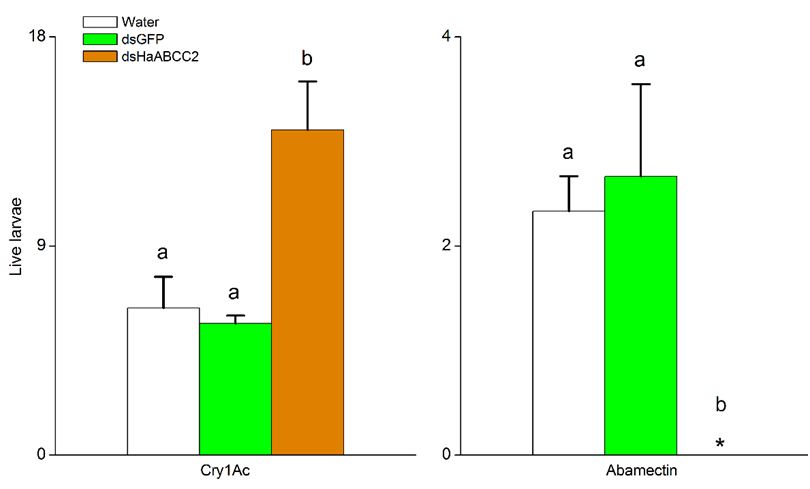
Silencing HaABCC2 with RNAi decreased susceptibility to Cry1Ac and increased susceptibility to abamectin.
More details are available on the bellow links:
http://journals.plos.org/plospathogens/article?id=10.1371/journal.ppat.1005450
By Yanhui Lu
yhlu@ippcaas.cn
-
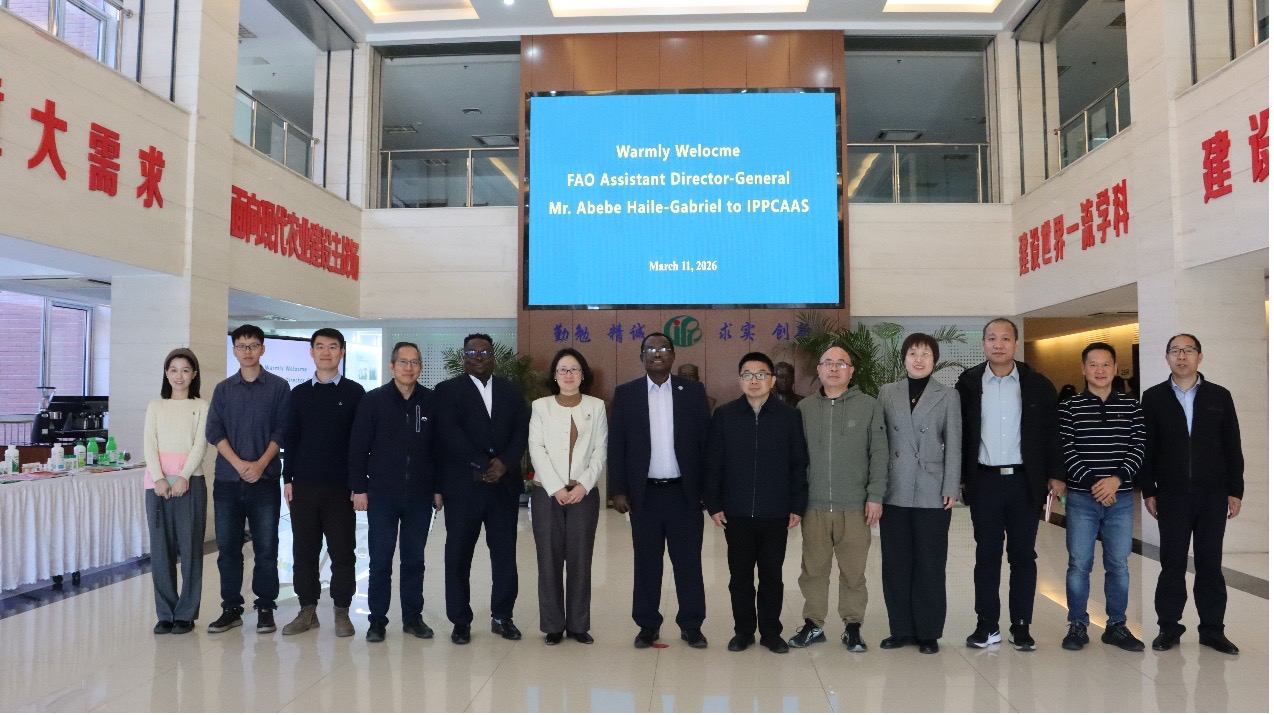 Assistant Director-General of the UN Food and Agriculture Organization Leads Delegation to Visit IPPCAAS
 -
 International Symposium on Plant Biosafety (ISPB 2025) Convenes in Guangzhou — Science-led plant health governance to secure food systems and advance the SDGs
 -
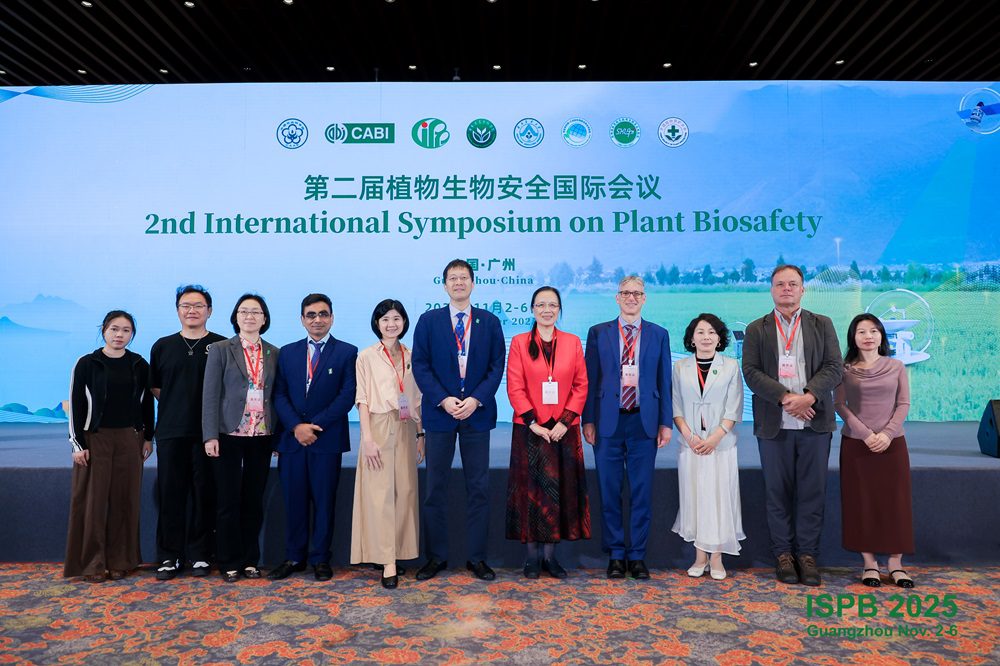 Three decades of China's membership of CABI celebrated at 2nd International Symposium on Plant Biosafety
 -
 CABI receives recognition from FAO for its work to support sustainable plant production and protection