

IPPCAAS Clarifies Differences in Fate and Residue Risks of Cyetpyrafen in Strawberry-soil Systems Under Different Application Methods
Researchers from the Pesticide Application Risk Control Innovation Team at the Institute of Plant Protection, Chinese Academy of Agricultural Sciences (IPPCAAS), have published a paper in the Journal of Agricultural and Food Chemistry titled “Comparison of Translocation, Distribution, Metabolism and the Health Risk of Cyetpyrafen in Strawberry-soil Systems under Foliar Spray and Root Irrigation Treatments.” The study systematically compares the translocation, distribution, metabolism and residue risks of the acaricide cyetpyrafen in strawberry-soil systems under foliar spray versus root irrigation. It reveals that the application method significantly influences the fate and residue risks of pesticides in plant-environment systems, providing a theoretical basis for optimizing pesticide application strategies by balancing efficacy, food safety and environmental impact.
Foliar spray and root irrigation are two common pesticide application methods. Different application methods can significantly affect the fate and residue profiles of pesticides in crop-environment systems, but systematic comparative studies remain scarce. Using the novel acaricide cyetpyrafen, this study shows that its accumulation, translocation, metabolism and residue risks in strawberry-soil systems are strongly influenced by application methods. Under foliar spray, cyetpyrafen accumulates mainly in aboveground parts (>99%), providing good efficacy but with slightly higher residue risks compared to root irrigation. Under root irrigation, cyetpyrafen accumulates mainly in roots (root concentration factor: 1.12–3.11 g/g), with limited upward translocation (translocation factor far below 1). This method poses lower dietary risks but may increase soil ecological risks. Cyetpyrafen tends to accumulate at the site of application and shows limited long-distance transport in both xylem and phloem, exhibiting a pattern of “easy to accumulate, difficult to translocate” in plants. Regarding metabolite formation and distribution, foliar spray mainly produces E-cyetpyrafen via photoisomerization in plants, whereas root irrigation mainly produces M-309 via hydrolysis in roots and soil, indicating clear differences in metabolic pathways and spatial distribution. Overall, under both application methods, cyetpyrafen residues in strawberries and the associated dietary risks (risk quotient far below 1) are acceptable. When comprehensively evaluating both efficacy and risks, the foliar spray method should be recommended as the preferable application method for cyetpyrafen in strawberry plants.
Associate Professor Li Runan at the Institute of Plant Protection, CAAS, is the corresponding author of this paper. Yuan Jing (a joint master’s student between Qingdao Agricultural University and the Institute of Plant Protection, CAAS) and Zhang Wenhao (a master’s student at the Institute of Plant Protection, CAAS) are co-first authors. This research was supported by the National Natural Science Foundation of China and the National Key Research and Development Program of China.
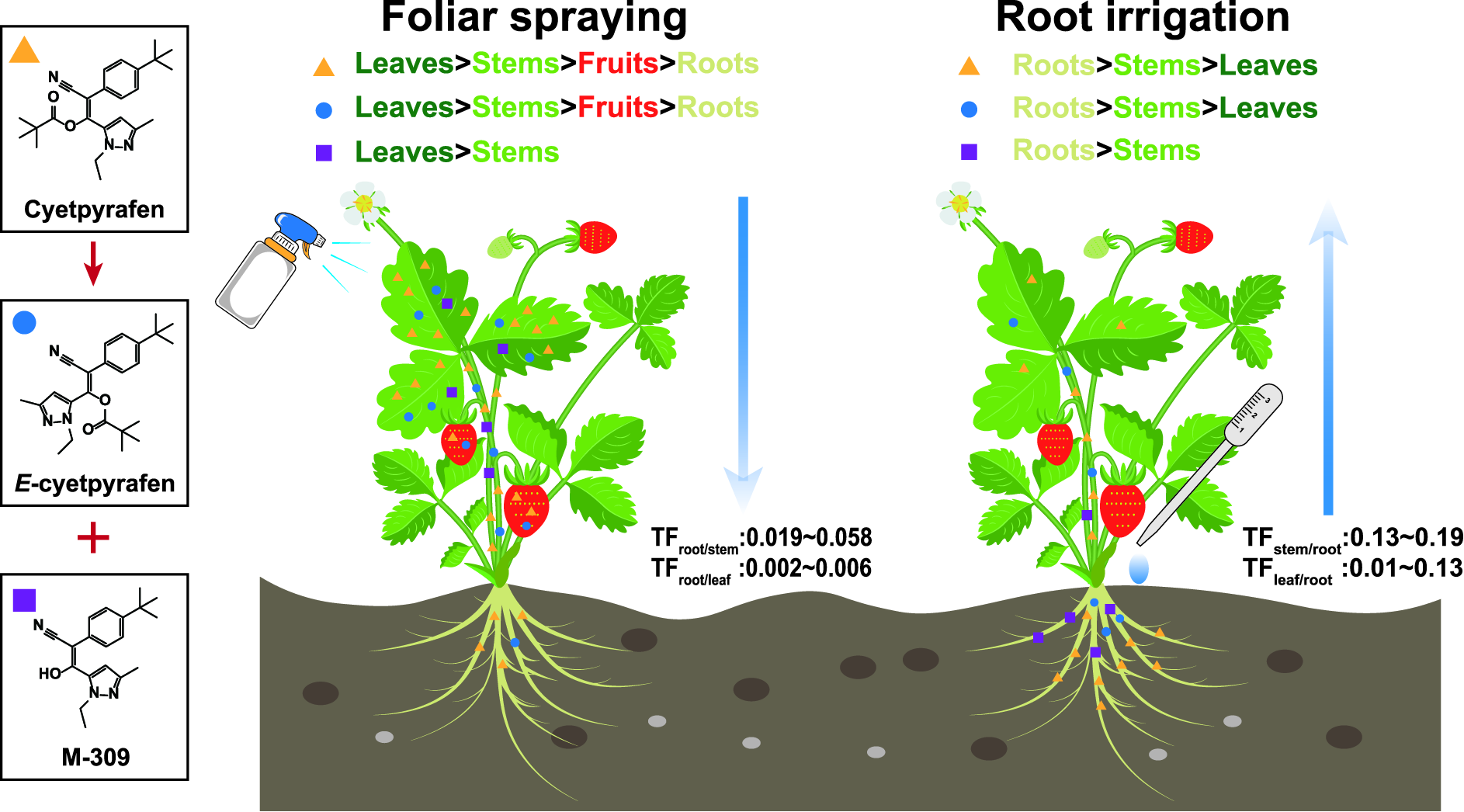
Links: https://pubs.acs.org/doi/10.1021/acs.jafc.6c00849
-
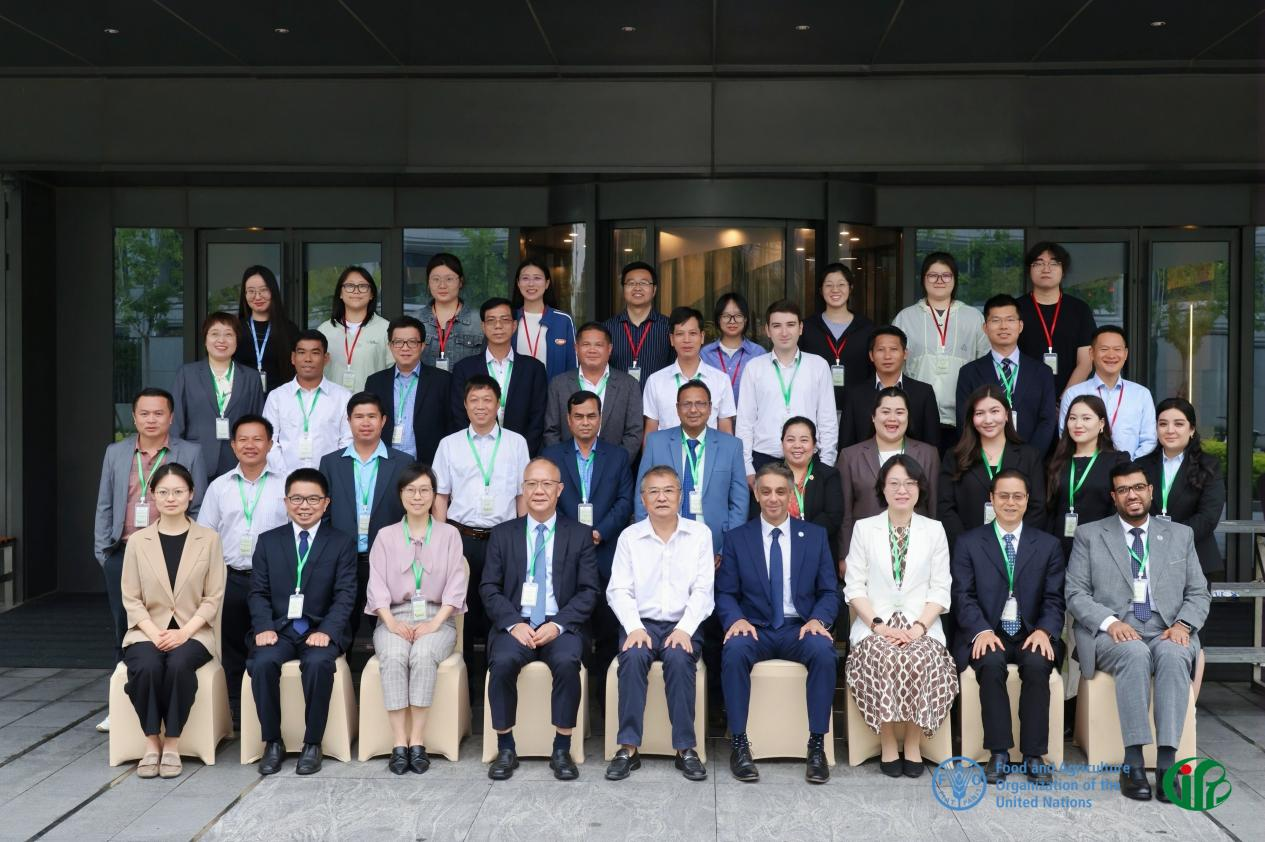 FAO–China South-South Cooperation Technical Workshop on Sustainable Management of Fall Armyworm and Other Transboundary Pests in Asia Successfully Held in Beijing
 -
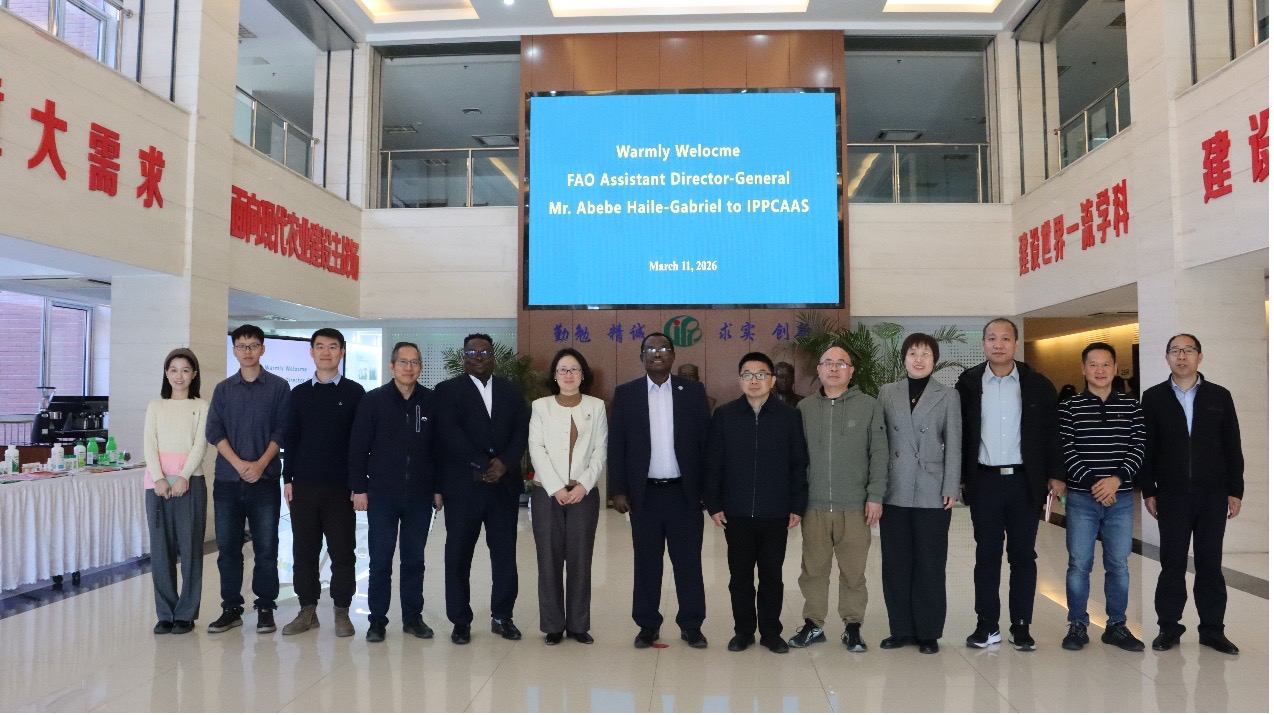 Assistant Director-General of the UN Food and Agriculture Organization Leads Delegation to Visit IPPCAAS
 -
 International Symposium on Plant Biosafety (ISPB 2025) Convenes in Guangzhou — Science-led plant health governance to secure food systems and advance the SDGs
 -
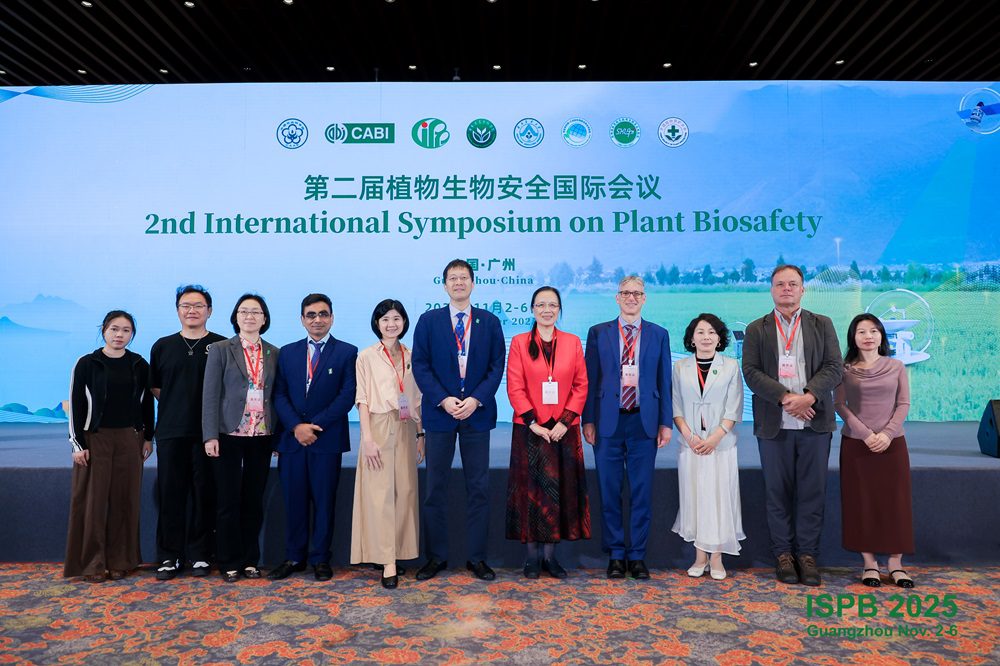 Three decades of China's membership of CABI celebrated at 2nd International Symposium on Plant Biosafety