

IPPCAAS Deciphers Mechanism of Action of Novel Binary Insecticidal Protein
Recently, the Innovation Team for Research and Utilization of Insect-Resistant Functional Genes at the IPPCAAS, in collaboration with Wuhan University, has made key progress in research on Bacillus thuringiensis (Bt) insecticidal proteins. The related work, entitled Structural basis for the assembly and translocation of the Vip1-Vip2 insecticidal binary toxin from Bacillus thuringiensis, has been published in Nature Communications. This study determined the complex structure of the binary insecticidal proteins Vip1 and Vip2 and clarified the molecular mechanism underlying their toxicity against white grubs (larvae of Holotrichia parallela), laying a theoretical foundation for the development and application of novel biopesticides and insect-resistant transgenic crops.
White grubs are the most devastating subterranean pests attacking major grain and oil crops including soybean, peanut, potato and maize. In China, their annual cumulative infested area exceeds 40 million mu, causing an actual yield loss of approximately 130,000 tons and posing a severe threat to the safe production of grain and oil crops. To date, however, no insect-resistant transgenic crops targeting this pest complex have been made available. Vip1Ad1 and Vip2Ag1 are insecticidal genes with independent intellectual property rights, identified and cloned by the Innovation Team for Research and Utilization of Insect-Resistant Functional Genes. The proteins encoded by these genes show potent insecticidal activity against white grubs, but their mode of action has long remained elusive.
The research team elucidated for the first time the dynamic assembly process of the Vip1 heptamer, and discovered that Vip2 protein binds to the Vip1 heptamer through its N-terminal domain (Figure 1). Following binding, Vip2 undergoes conformational rearrangement to form a linear peptide chain, which translocates into intestinal cells via the pore of the Vip1 heptamer, disrupts the cytoskeletal architecture of pest cells, and ultimately exerts lethal effects on white grubs (Figure 2). In addition, experiments in which the C-terminal domain of Vip2 was replaced with green fluorescent protein (GFP) provided a proof-of-concept validation of the system’s high efficiency in target protein delivery. Currently, the two institutions are conducting joint research to achieve efficient delivery of any target insecticidal molecule, laying the groundwork for the development of a new generation of insecticidal microbial pesticides.
Prof. ZHANG Jie from IPPCAAS and Prof. CHEN Peng from Wuhan University are the co-corresponding authors of the paper. PhD candidate ZHAO Ting and Associate ProfessorWANG Zeyu are the co-first authors. Prof. LI Changyou from Qingdao Agricultural University provided critical support for the Holotrichia parallela cell line. Prof. YANG Qing and Prof. SHU Changlong and Prof. GENG Lili offered valuable guidance for the research. This work was supported by the Key Task of the Agricultural Science and Technology Innovation Program (ASTIP) of CAAS (CAAS-CSCB-202401) and the Major Science and Technology Task of CAAS (CAAS-ZDRW202304), among other programs.
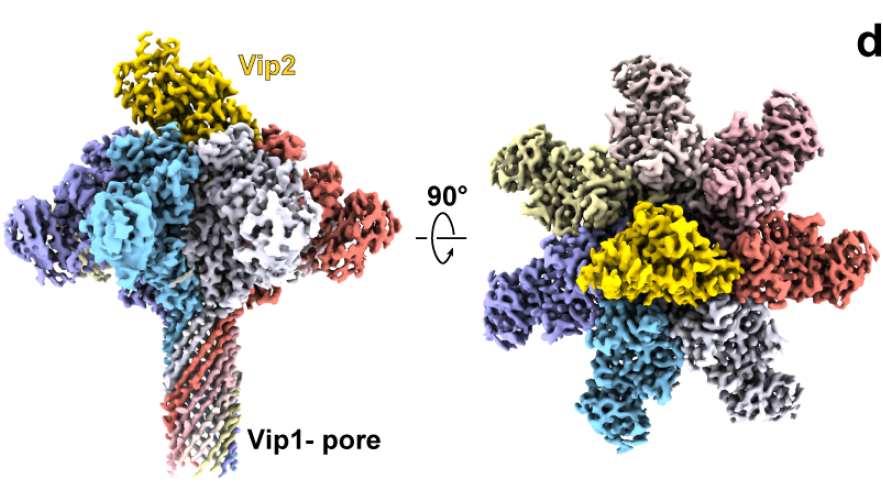
Figure 1 Structure of the Vip1 heptamer and its complex with Vip2 protein
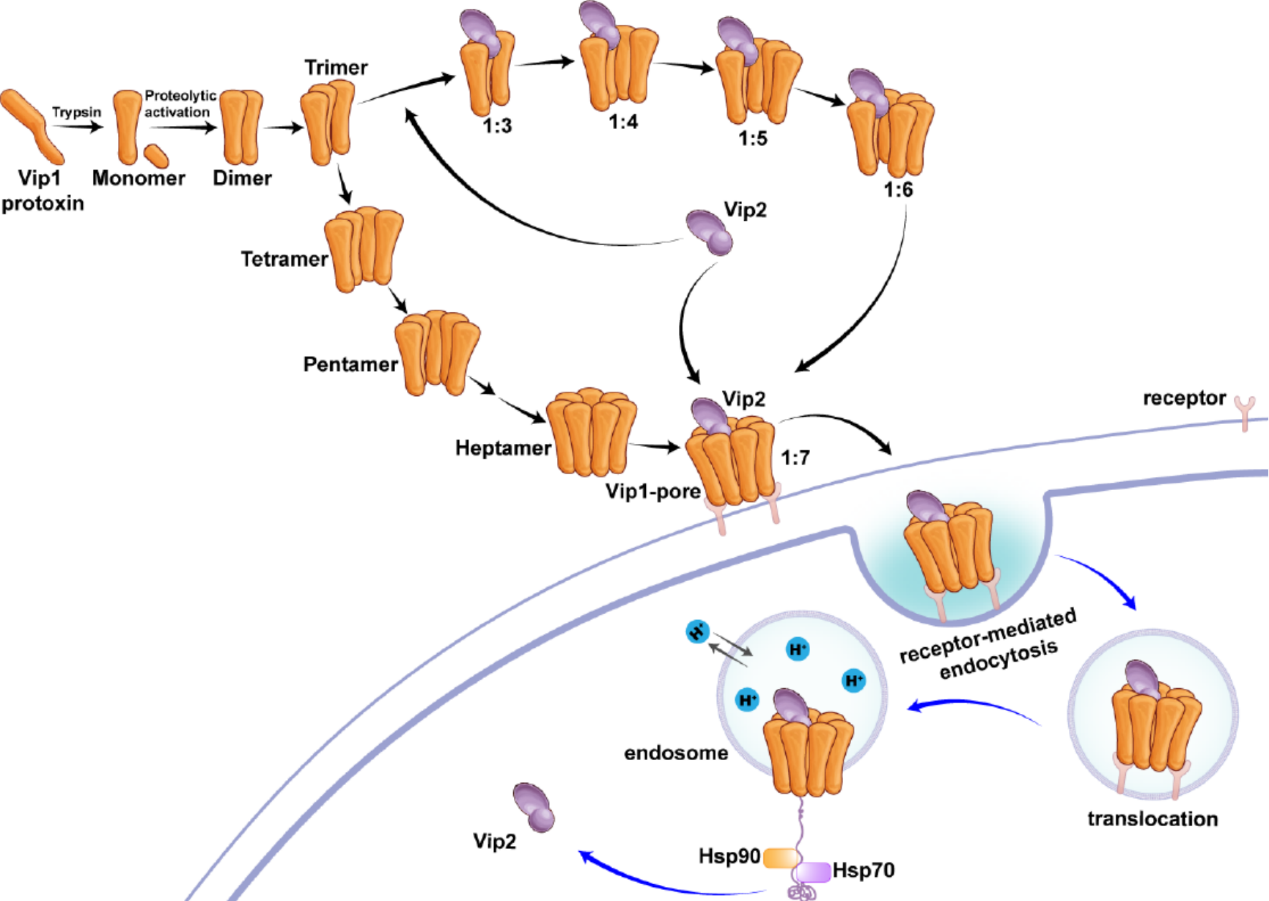
Figure 2 Molecular mechanism of action of the Vip1-Vip2 binary insecticidal protein
Link: https://www.nature.com/articles/s41467-026-71211-7?utm_source=rct_congratemailt&utm_medium=email&utm_campaign=oa_20260522&utm_content=10.1038/s41467-026-71211-7
-
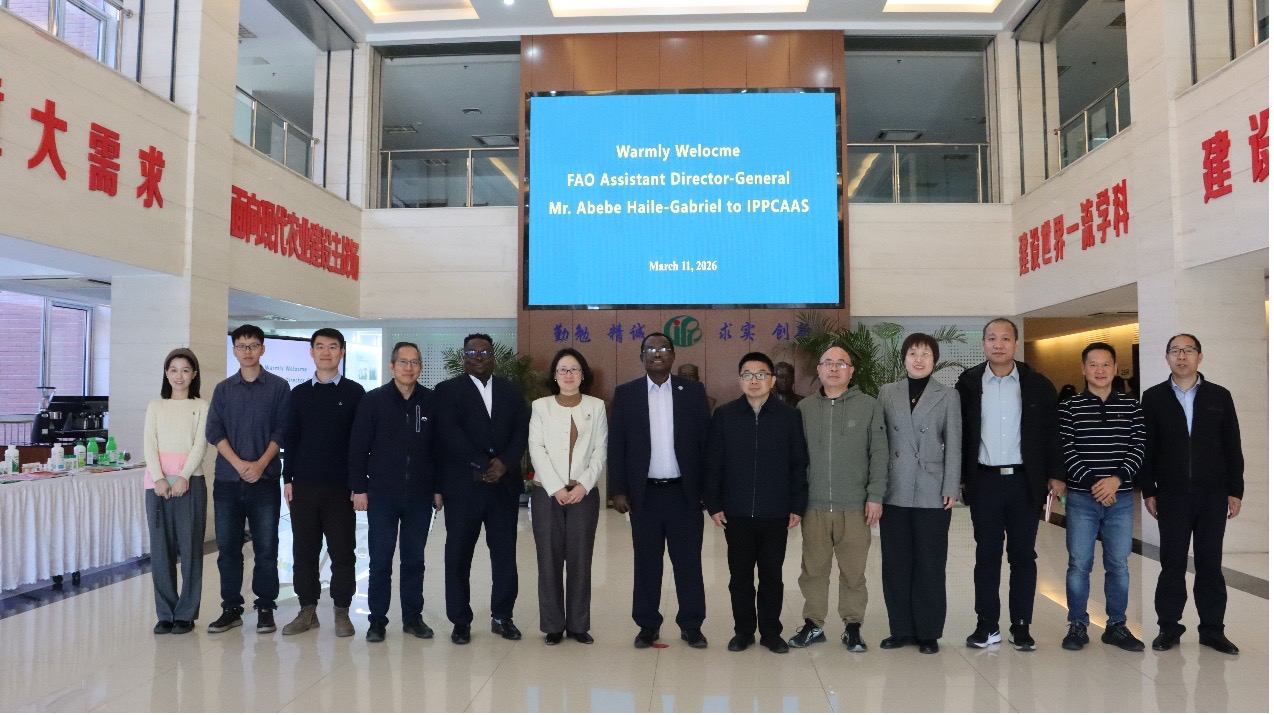 Assistant Director-General of the UN Food and Agriculture Organization Leads Delegation to Visit IPPCAAS
 -
 International Symposium on Plant Biosafety (ISPB 2025) Convenes in Guangzhou — Science-led plant health governance to secure food systems and advance the SDGs
 -
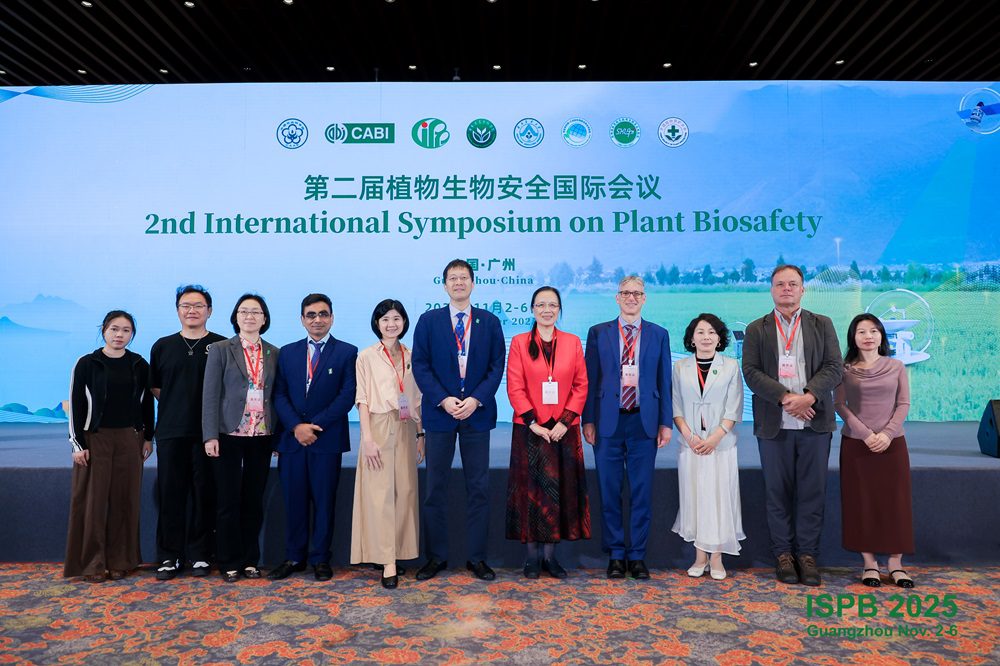 Three decades of China's membership of CABI celebrated at 2nd International Symposium on Plant Biosafety
 -
 CABI receives recognition from FAO for its work to support sustainable plant production and protection