

IPPCAAS Assembles Complete Genomes of Grapevine Downy Mildew to Uncover Structural Variation-Mediated Effector Evolution
Recently, the Innovation Team for Monitoring and Management of Fungal Diseases on Cash Crops at the IPPCAAS, has published a research paper entitled "Complete genomes of grapevine downy mildew reveal effector cluster evolution driven by complex structural variations" in Horticulture Research. This study successfully assembled chromosome-level complete genomes of two Plasmopara viticola strains with significantly different virulence phenotypes, revealing the molecular basis by which genomic structural variations drive effector evolution and virulence differentiation in the pathogen. These findings offer valuable genomic resources and lay important theoretical foundationsfor grapevine resistance breeding and the sustainable management of downy mildew.
Grapevine downy mildew is a major disease in grape production that severely restricts the high-quality development of the grape industry. Its causal agent, Plasmopara viticola, exhibits marked virulence differences and rich genetic diversity across different grapevine hosts and ecological regions. However, the genomic structural basis underlying such intraspecific virulence variation remains poorly characterised, which hampers mechanistic pathogenesis studies and the exploitation of resistant genetic resources.
In this study, the team employed PacBio HiFi high-accuracy long-read sequencing technology to construct complete genomes of two P. viticola strains derived from different grape species with contrasting virulence profiles: PvH (from Vitis vinifera) and PvS (from the wild species V. amurensis). Both genomes were assembled into 17 complete chromosomes, with genome sizes of 115.3 Mb and 113.0 Mb, respectively, yielding high‑continuity, high‑precision genomic references for this pathogen. Comparative genomic analysis revealed that nearly 90% of the predicted effectors in P. viticola exist as locally duplicated gene clusters, suggesting that local gene duplication acts as a major driver for effector family expansion in this pathogen. Significant differences in effector expansion and contraction were observed between strains: the PvH strain infecting V. vinifera contained 1.4 times more CRN effectors than the wild V. amurensis-sourced PvS strain, and harbored 35 unique CRN effectors. The study also identified 104 effectors located in genomic inversion regions, encompassing key pathogenic gene categories such as RxLR, CRN, and CAZymes (Carbohydrate-Active enZymes). Strain‑specific effector genes were highly enriched in structural variation hotpots, including inversions, segmental duplications and rearrangements, and exhibited differential expression patterns.
These findings indicate that the P. viticola genome possesses highly dynamic structural characteristics. Structural variations synergize with local gene duplication to drive effector expansion and diversification, constituting the core genomic basis for intraspecific genetic diversity and host-specific virulence differentiation of this pathogen. The complete genome framework established in this study provides an important platform for subsequent functional validation of effectors, population evolution studies, and investigation of host adaptation mechanisms, and offers new perspectives for deepening our understanding of plant-pathogen co-evolutionary mechanisms and guiding the improvement of grapevine resistance breeding strategies.
Dr. Zhou Lianzhu, recently graduated from IPPCAAS, is the first author of the paper. Associate Professor Huang Xiaoqing and Professor Liu Yongqiang are the co-corresponding authors. Professors Wang Zhongyue, Zhang Hao, Zhou Yongfeng of the Tropical Crops Genetic Resources Institute, Chinese Academy of Tropical Agricultural Sciences, and Wang Qi of China Agricultural University made substantial contributions to this study. This research was jointly supported by the National Key Research and Development Program of China, the Modern Grape Industry Technology System, and the Yunnan Provincial Expert Workstation Program.
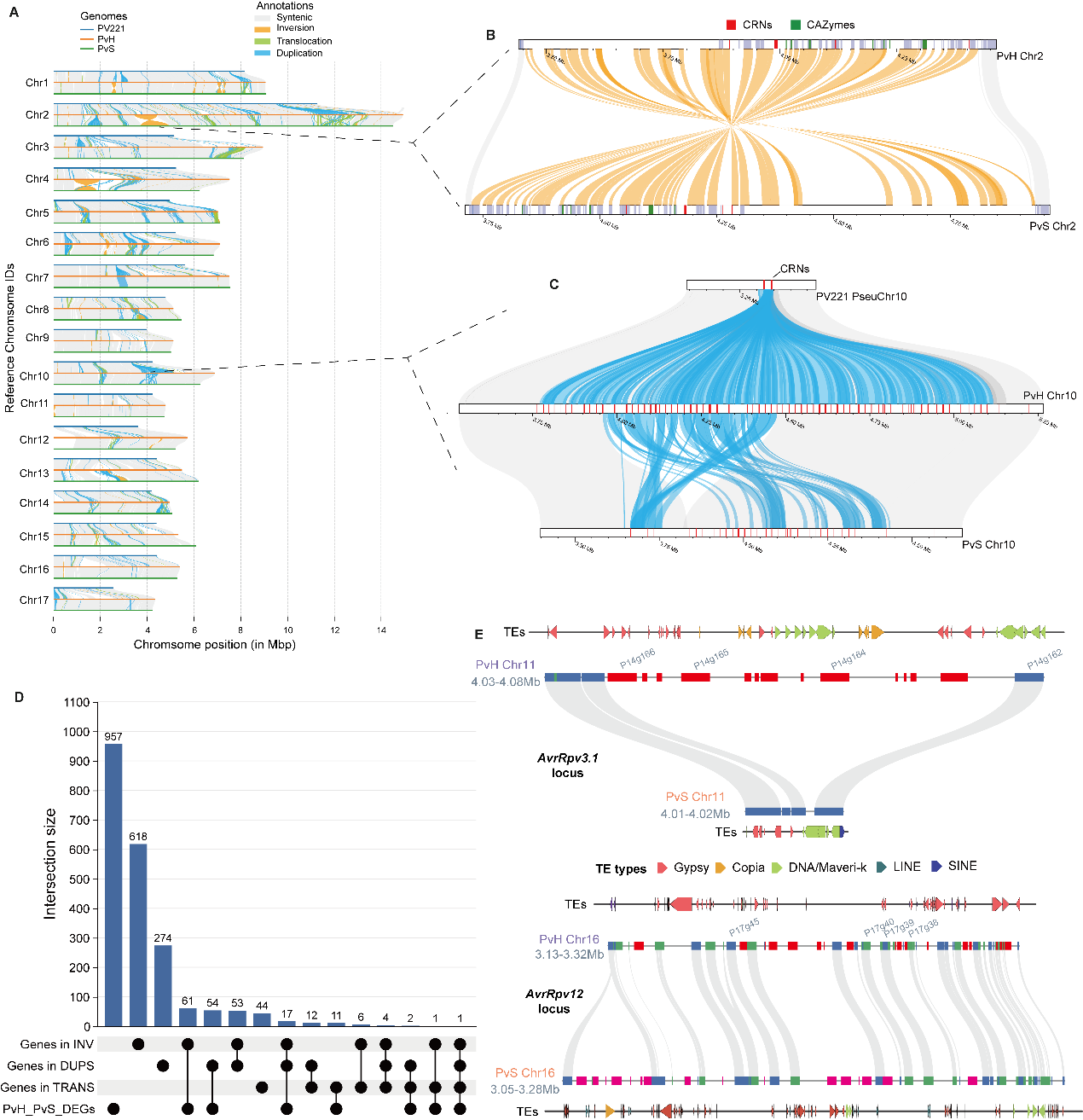
Link: https://doi.org/10.1093/hr/uhag073
-
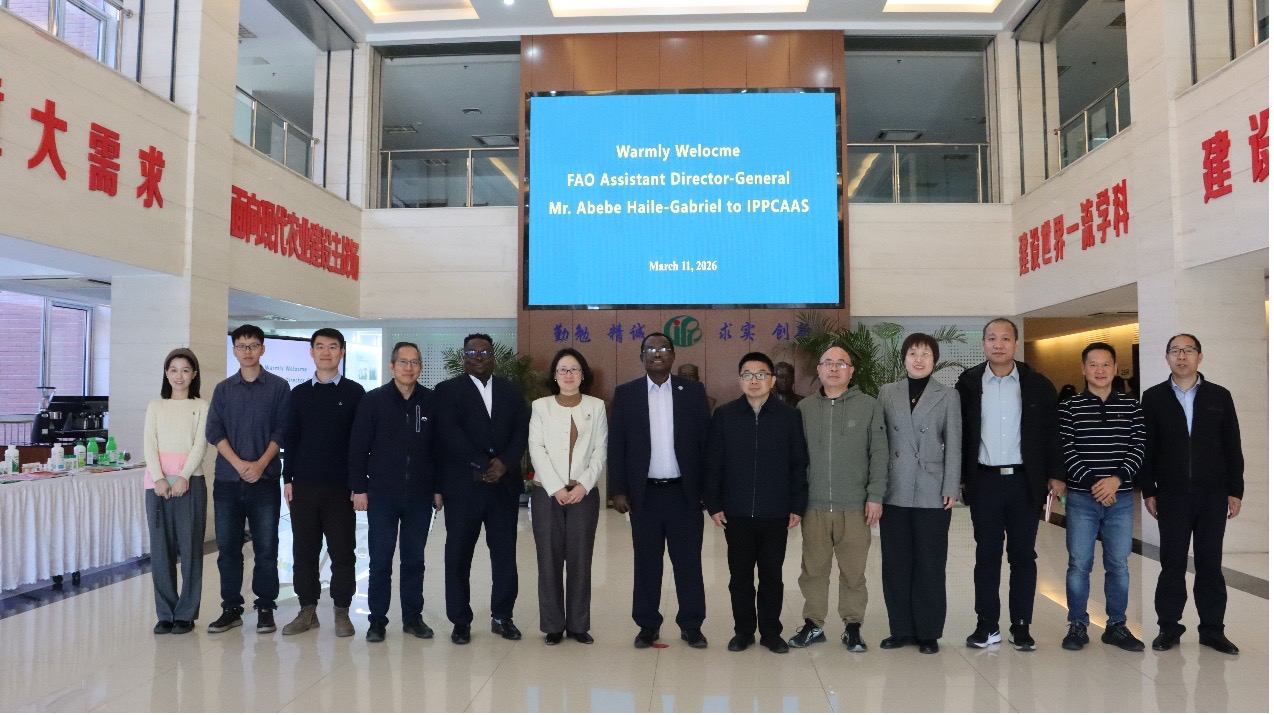 Assistant Director-General of the UN Food and Agriculture Organization Leads Delegation to Visit IPPCAAS
 -
 International Symposium on Plant Biosafety (ISPB 2025) Convenes in Guangzhou — Science-led plant health governance to secure food systems and advance the SDGs
 -
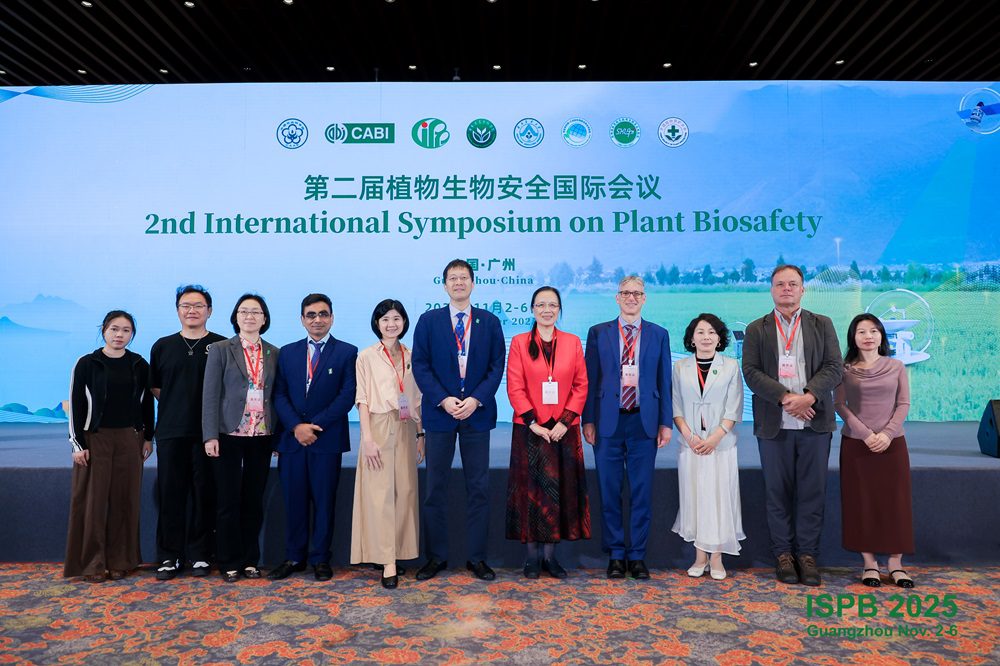 Three decades of China's membership of CABI celebrated at 2nd International Symposium on Plant Biosafety
 -
 CABI receives recognition from FAO for its work to support sustainable plant production and protection