
IPPCAAS Develops Controlled-Release Avermectin Formulation that Reduces Toxicity to Earthworms
Recently, the Pesticide Application Risk Control Innovation Team of the Institute of Plant Protection, Chinese Academy of Agricultural Sciences (IPPCAAS) published a paper in Environmental Pollution reporting the development of a layered double hydroxide (LDH)-based pesticide carrier system that significantly reduces the ecological toxicity of avermectin to non-target organisms such as earthworms.
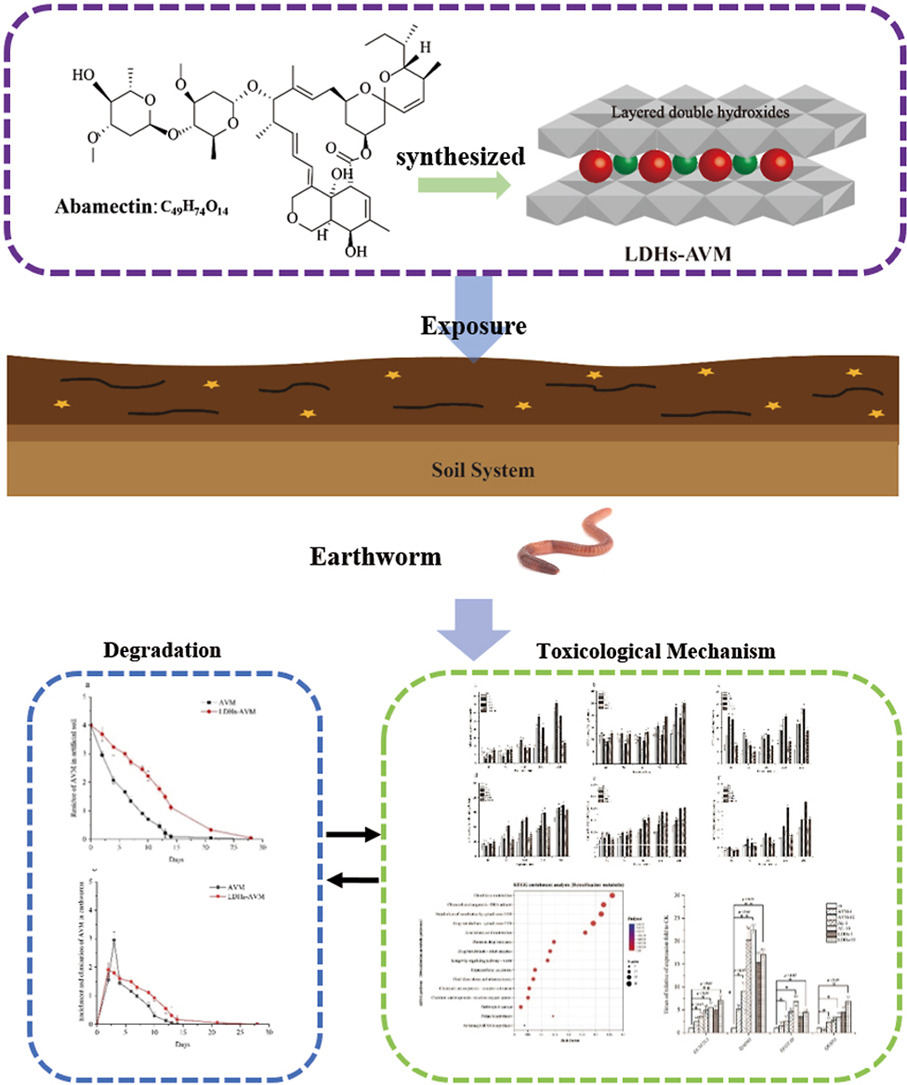
Nanopesticides offer advantages in enhancing bioactivity and reducing dosage; however, their ecological safety toward non-target species remains a major public concern. This study systematically evaluated the release behavior, bioaccumulation, and physiological and molecular effects of LDH-loaded avermectin nanoparticles (LDHs-AVM) in soil using earthworms as indicator organisms.
The results showed that compared with avermectin technical, LDHs-AVM degraded 2.9 times more slowly in soil, demonstrating prolonged controlled-release performance. Bioaccumulation of the active ingredient in earthworms decreased by 35%, significantly lowering exposure risk. Moreover, LDH nanocarriers strongly activated antioxidant and detoxification systems in earthworms. Key detoxification genes such as CYP2E1 and the GSH synthesis pathway were upregulated by 2.8–22.5 times, while malondialdehyde content and lipid peroxidation levels were markedly reduced. These findings indicate that LDHs effectively mitigate the toxic effects of avermectin on earthworms.
This research provides a novel strategy for developing efficient, low-risk pesticides. By integrating controlled-release technology with the activation of endogenous detoxification mechanisms in non-target organisms, the study offers new theoretical support for safeguarding soil ecological security.
Dr. Shi Linlin, a former postdoctoral fellow at IPPCAAS, is the first author of the paper, and Associate Professor Pan Xinglu is the corresponding author. The work was supported by the National Natural Science Foundation of China (Youth Program) and the 16th Special Funding for Postdoctoral Research in China.
-
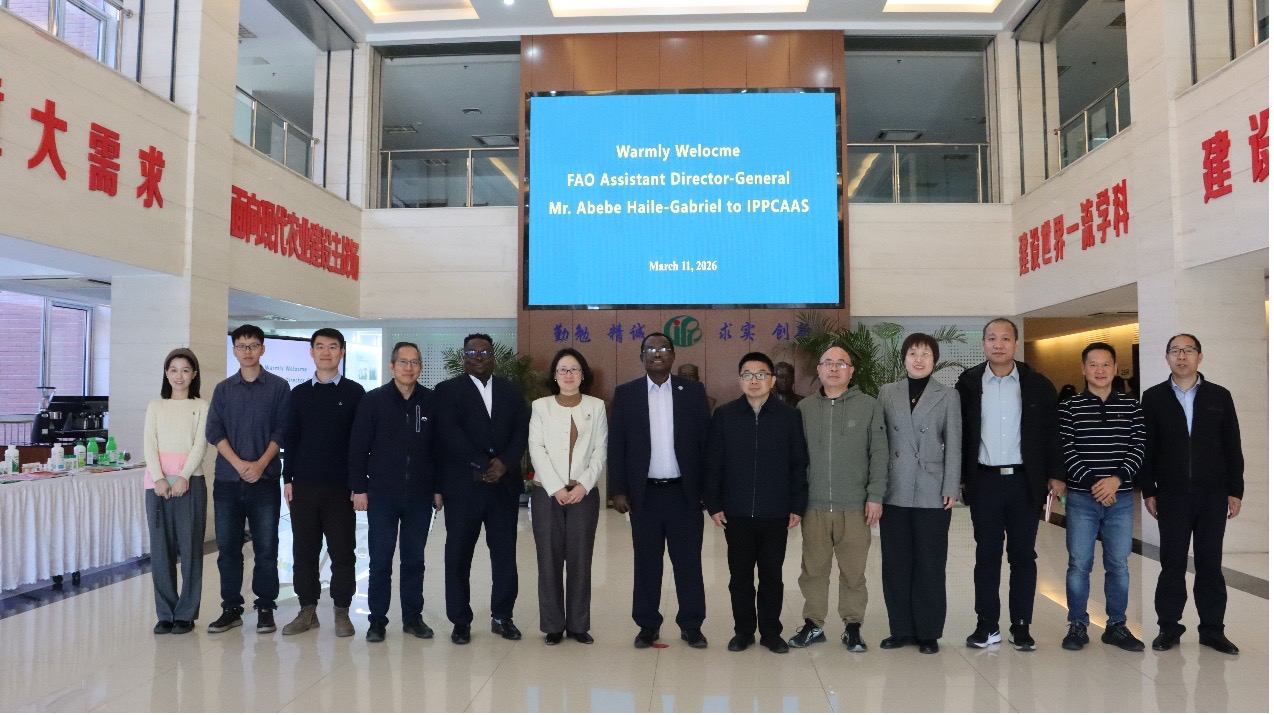 Assistant Director-General of the UN Food and Agriculture Organization Leads Delegation to Visit IPPCAAS
 -
 International Symposium on Plant Biosafety (ISPB 2025) Convenes in Guangzhou — Science-led plant health governance to secure food systems and advance the SDGs
 -
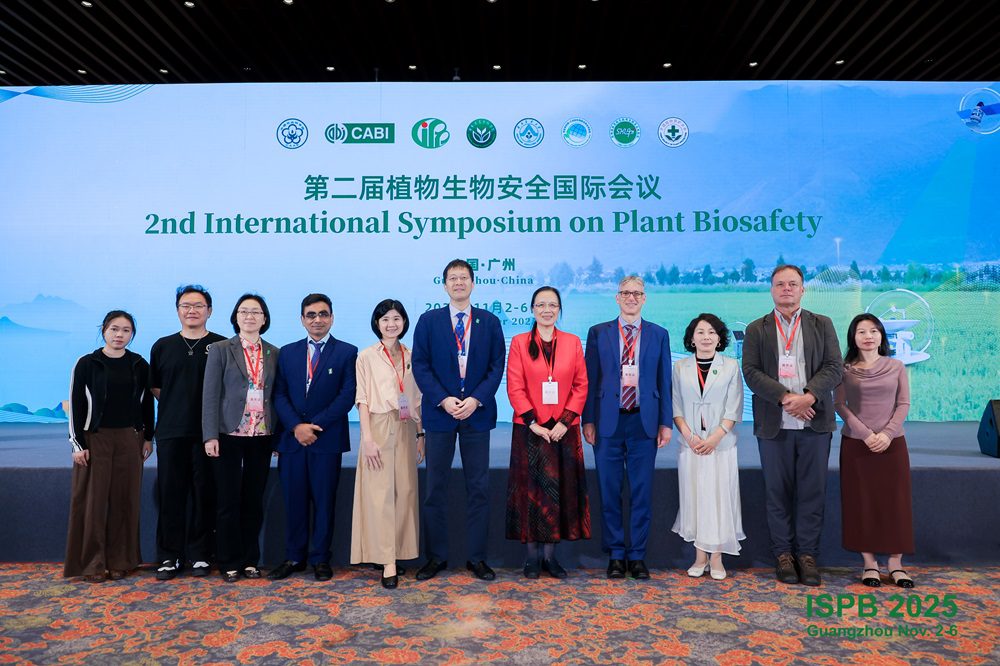 Three decades of China's membership of CABI celebrated at 2nd International Symposium on Plant Biosafety
 -
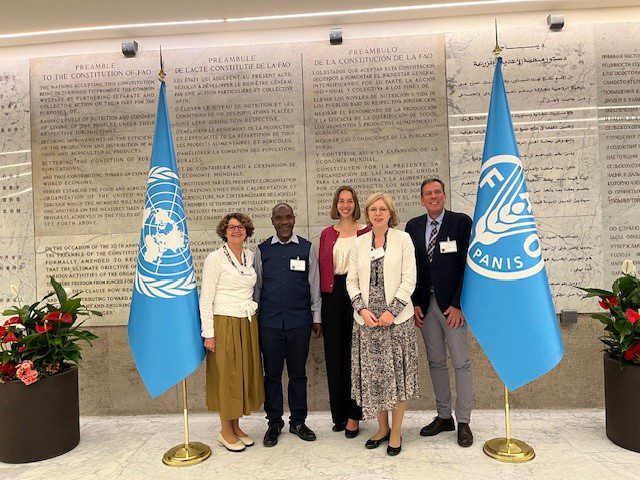 CABI receives recognition from FAO for its work to support sustainable plant production and protection