

IPPCAAS Systematically Analyzes Insect Biodiversity in China’s Agricultural Ecosystems
Recently, the Predatory Mite Innovation Task of the Biological Control Innovation Center at the IPPCAAS, used DNA metabarcoding technology to systematically analyze the characteristics and distribution patterns of insect species diversity in agricultural ecosystems (greenhouses and surrounding farmland) across different geographical regions in China. The study clarified the diversity patterns of natural enemies and the key factors influencing their diviersity, providing scientific basis for biological pest control and sustainable agricultural development. The related research findings were recently published online in the international academic journal Pest Management Science.
Species diversity in agricultural ecosystems has increasingly garnered attention as a crucial component of global biodiversity conservation. Conserving biodiversity within agroecosystems is also an important pathway to achieving sustainable agricultural development. The assessment of species diversity in agricultural ecosystems, particularly the diversity of natural enemies and pests, holds significant importance for understanding ecosystem functions, formulating conservation strategies, and improving pest management practices.
Based on systematic surveys conducted in 2019 at 20 natural enemy monitoring sites nationwide, the study employed DNA metabarcoding for high-throughput analysis of locally collected insect samples. A total of 1,256 genus-level taxonomic units were obtained, identifying 584 known insect species, including 185 natural enemies. The research also analyzed the geographical distribution patterns of insects aross China’s agricultural ecosystems, revealing significant regional differences in insect richness and species composition. Altitude, monthly average temperature, and atmospheric pressure were identified as key environmental factors shaping the overall insect community and natural enemy species composition. For the first time, this study comprehensively presents the insect diversity characteristics and geographical distribution patterns in China’s agricultural ecosystems using molecular approaches. It clarifies regional variation in species composition and identifies key environmental driving factors, not only deepening the understanding of agricultural biodiversity but also providing data support for developing region-specific biological pest management strategies and maintaining agroecosystem stability.
The first author of this study is Dr. Li Bingyan (IPPCAAS), with Prof. Xu Xuenong (IPPCAAS) and Prof. Zhang Bo (IPPCAAS) serving as corresponding authors. The project was supported by the Basic Scientific Research Operating Expenses of the CAAS, the Field Scientific Observation and Research Data Center for Natural Enemy and Other Insect Resources of the Ministry of Agriculture and Rural Affairs, and the National Key Research and Development Program of China. The research process received substantial support from Director Xie Pei of the Science and Technology Management Bureau of the Chinese Academy of Agricultural Sciences, Dr. Yang Shuai, Engineer Wang Chang, and the staff of 20 field scientific observation stations for insect resources.
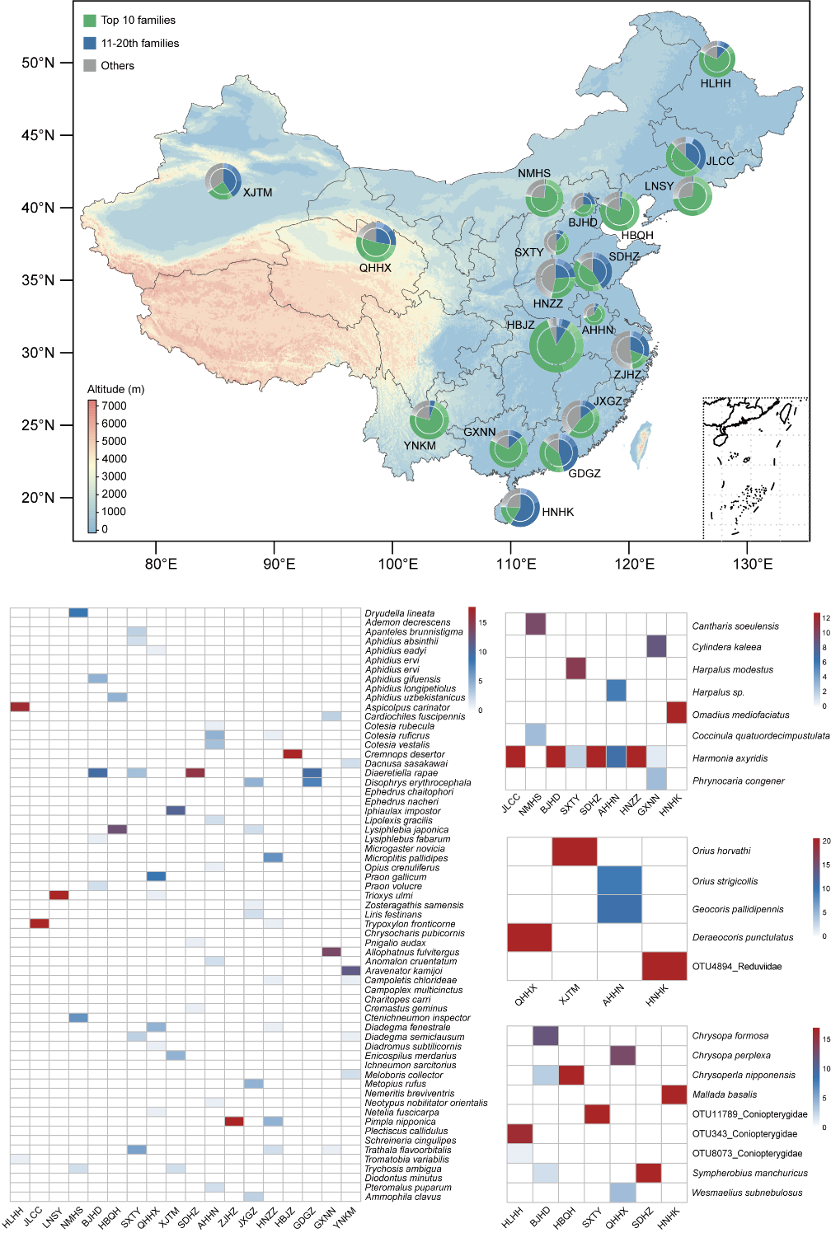
Link: https://scijournals.onlinelibrary.wiley.com/doi/10.1002/ps.70345
-
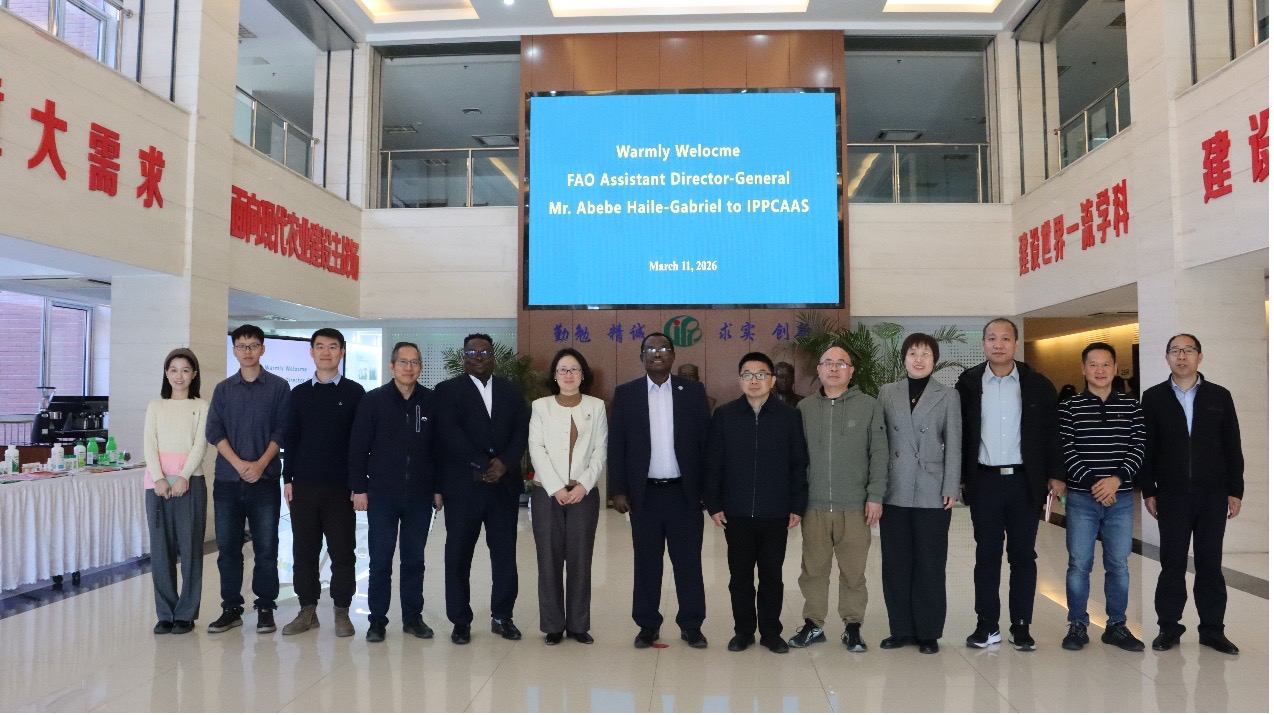 Assistant Director-General of the UN Food and Agriculture Organization Leads Delegation to Visit IPPCAAS
 -
 International Symposium on Plant Biosafety (ISPB 2025) Convenes in Guangzhou — Science-led plant health governance to secure food systems and advance the SDGs
 -
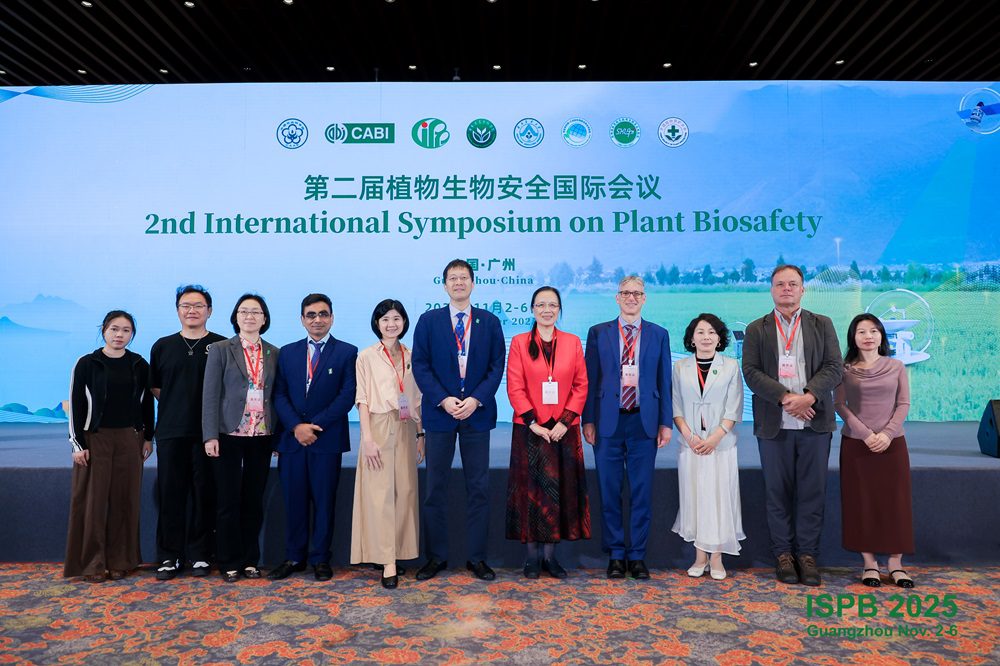 Three decades of China's membership of CABI celebrated at 2nd International Symposium on Plant Biosafety
 -
 CABI receives recognition from FAO for its work to support sustainable plant production and protection