
IPPCAAS Clarifies Differences in Fate and Residue Rrisks of Cyetpyrafen in Strawberry-soil Systems Under Different Application Methods
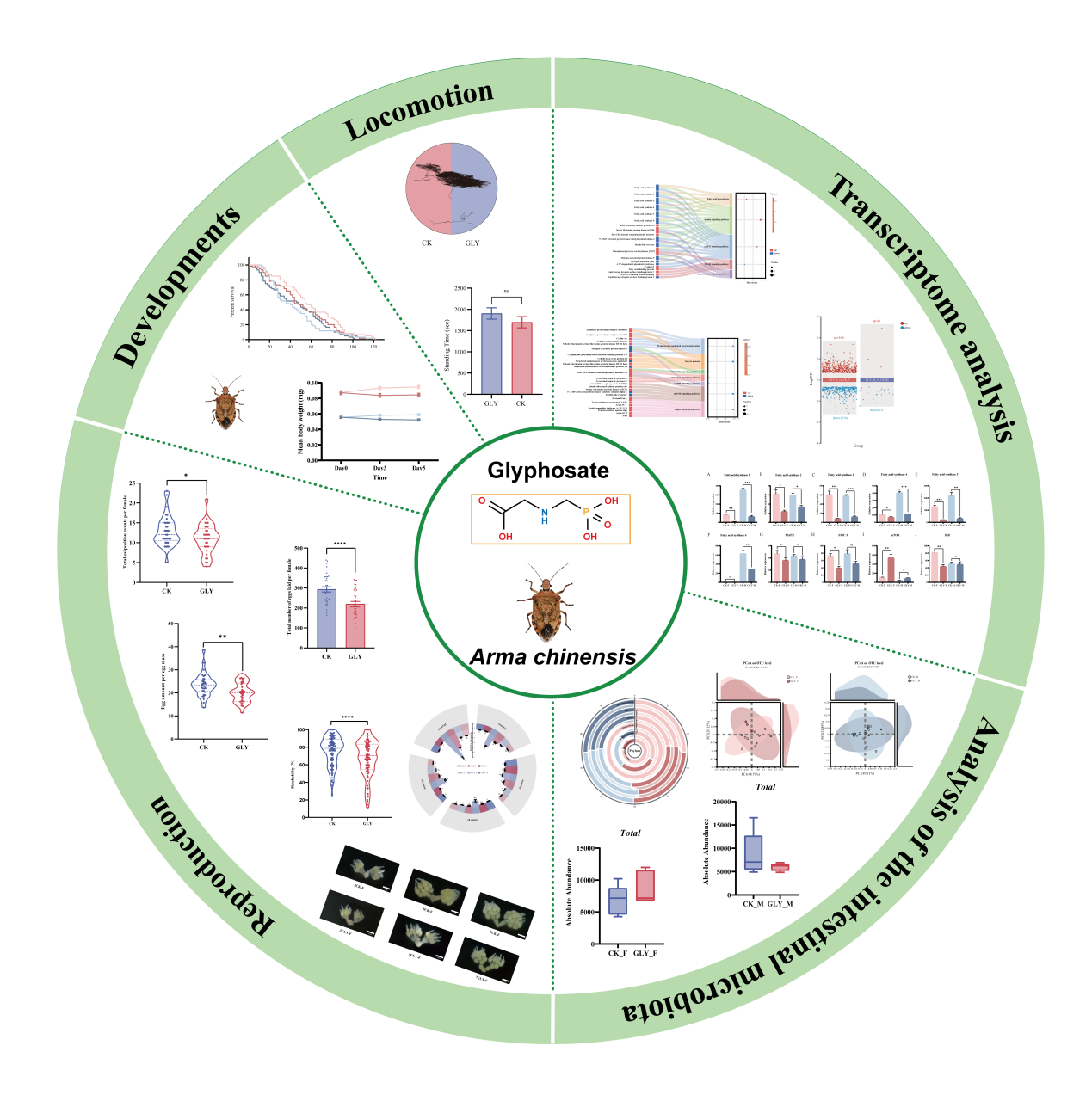
Recently, the Sino-American Biological Control Laboratory at the Center for Biological Control, Institute of Plant Protection, Chinese Academy of Agricultural Sciences (IPPCAAS), published an online research paper entitled "Sublethal effects of field-recommended glyphosate exposure on the predatory insect Arma chinensis: Growth inhibition and reproductive costs" in the internationally renowned environmental science journal Environmental Pollution. This study systematically elucidates the sublethal effects and molecular mechanisms of field-recommended glyphosate exposure on the growth and reproduction of the natural enemy insect Arma chinensis through an integrated approach combining physiology, behavior, transcriptomics, and microbiome analysis.
Arma chinensis is an important predatory natural enemy insect that effectively suppresses a wide range of agricultural and forestry pests from Lepidoptera, Hemiptera, and other orders, playing a key role in biological control. Glyphosate is the most widely used herbicide worldwide, and A. chinensis inevitably encounters glyphosate residues while foraging in the field. However, the sublethal effects of glyphosate on A. chinensis and the underlying molecular mechanisms had previously lacked systematic investigation.
In this study, the researchers exposed adult A. chinensis to glyphosate through both contact and ingestion routes. They found that although glyphosate exposure did not significantly affect repellency or longevity, it significantly suppressed weight gain. In terms of reproduction, glyphosate-treated females exhibited reduced egg production and markedly delayed ovarian development. Further analysis revealed that glyphosate exposure disrupted energy-sensing pathways such as insulin and AMPK signaling, and downregulated the expression of lipid biosynthesis-related genes. Notably, glyphosate exposure did not significantly alter the diversity or community structure of the gut microbiota in A. chinensis, suggesting that its toxic effects are primarily mediated through direct impacts on host physiology rather than through gut dysbiosis. From an integrated multi-omics perspective, this study is the first to systematically reveal the sublethal effects of field-recommended glyphosate concentrations on the predatory natural enemy A. chinensis, and to elucidate the molecular mechanisms by which glyphosate disrupts energy metabolism and suppresses reproductive gene expression, leading to growth inhibition and reproductive costs. These findings provide important scientific evidence for the ecological risk assessment of glyphosate on non-target beneficial insects, and offer theoretical support for the conservation and utilization of natural enemy insects in agroecosystems.
IPPCAAS is the primary affiliation for this paper. Master's student Su Zhihan is the first author, and Associate Researcher Liu Chenxi is the corresponding author. Master's students Fu Luyao, Xu Wenyan, Liu Dianyu, Yan Xiaoyu, Chen Yu, and Wang Yichen also contributed to this research. The study was supported by projects from the Commonwealth Scientific and Industrial Research Organization (CSRO) of Australia (Grant Nos. 2021010026 and 2024082216).
Link: https://doi.org/10.1016/j.envpol.2026.128702
-
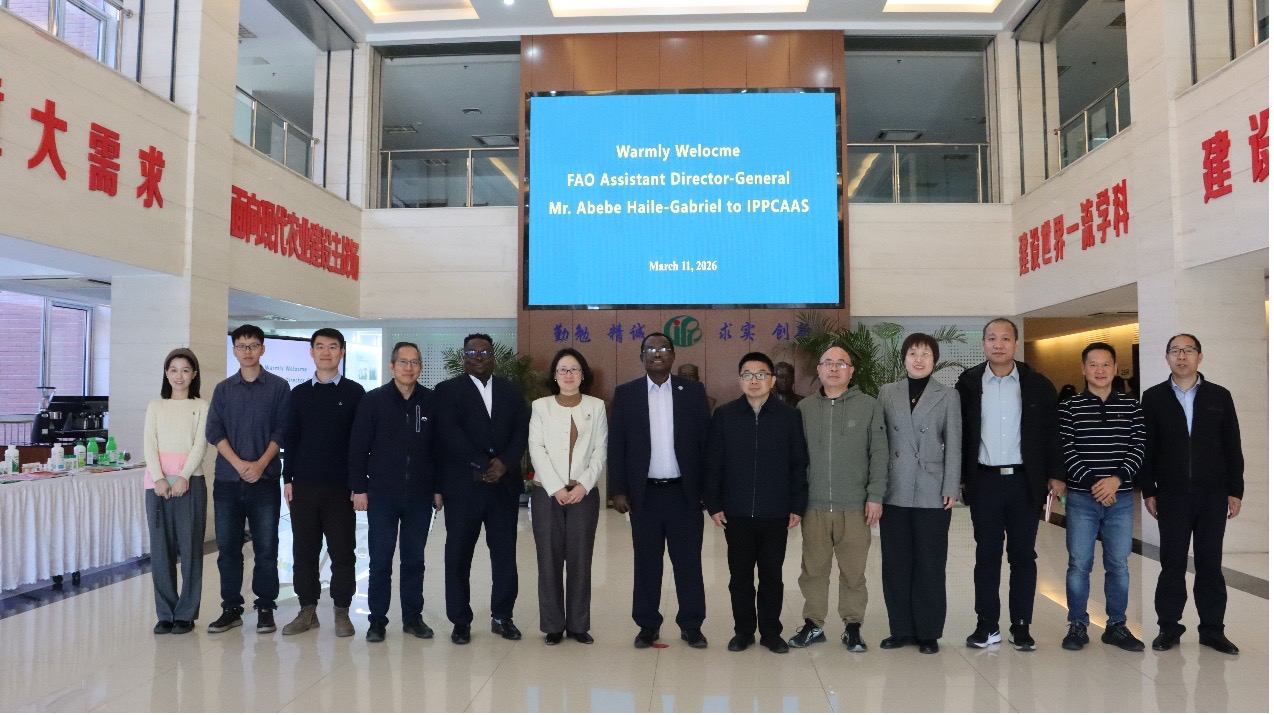 Assistant Director-General of the UN Food and Agriculture Organization Leads Delegation to Visit IPPCAAS
 -
 International Symposium on Plant Biosafety (ISPB 2025) Convenes in Guangzhou — Science-led plant health governance to secure food systems and advance the SDGs
 -
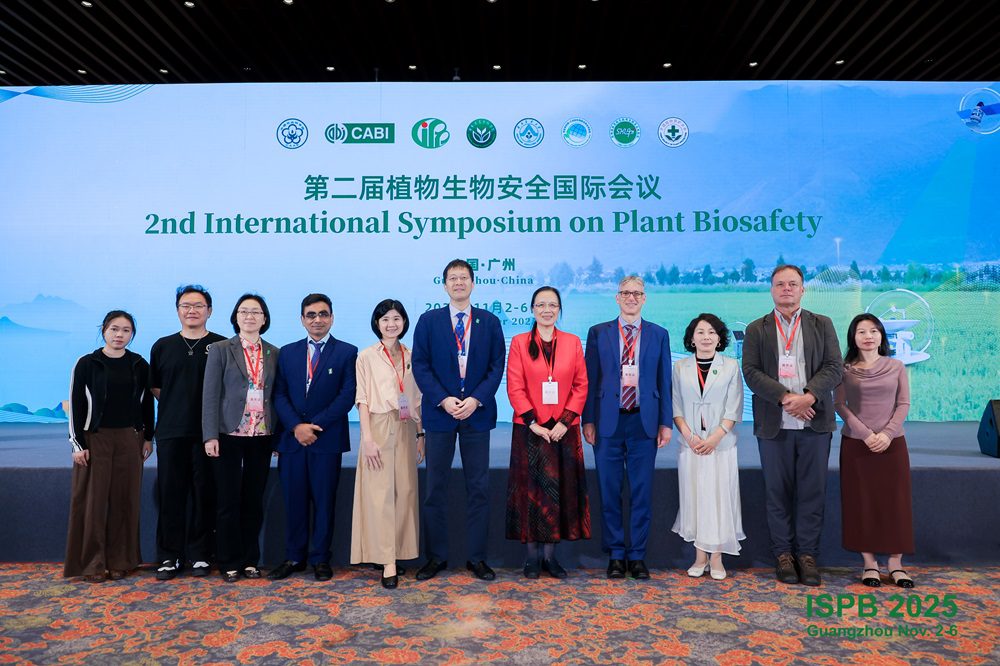 Three decades of China's membership of CABI celebrated at 2nd International Symposium on Plant Biosafety
 -
 CABI receives recognition from FAO for its work to support sustainable plant production and protection