

IPPCAAS Systematically Elucidates Adaptive Strategies of Parasitoid Wasps and Prospects for Biological Control
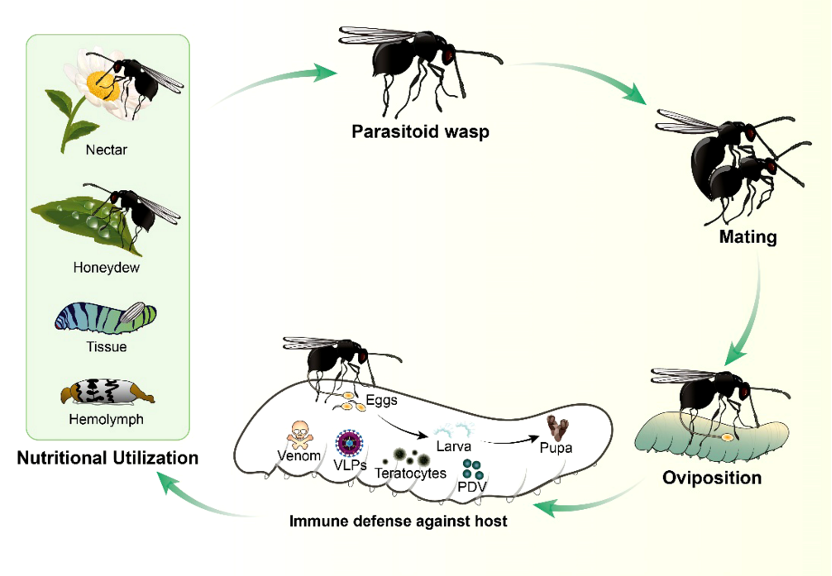
Recently, the Innovation Team for prevention and control of agricultural invasive species at the Institute of Plant Protection, Chinese Academy of Agricultural Sciences (IPPCAAS), published a review article entitled “Adaptive strategies in parasitoid wasps: implications for enhanced biological control” in Entomologia Generalis (CAS Division 1, Top; IF 4.6). This review systematically summarizes reproductive adaptive strategies of parasitoid wasps in mating, oviposition, host immune defense, and nutrient acquisition, elucidating how parasitoids maximize reproductive fitness in complex environments and further discussing their application potential in the biological control of agricultural pests.
Parasitoid wasps are important natural enemies; some species exhibit both parasitism and host-feeding traits, playing an irreplaceable role in regulating pest populations and maintaining ecosystem balance. The paper points out that parasitoids achieve efficient reproductive adaptation through diverse behavioral and physiological mechanisms. For example, multiple mating, avoidance of inbreeding, and flexible sex-allocation mechanisms help maintain population stability; under competitive pressure, females flexibly adjust oviposition decisions according to host quality; and effector molecules such as venom, polydnaviruses, and ovarian proteins help overcome host immune barriers. In addition, parasitoids display high flexibility in nutrient use: they not only utilize host tissues and hemolymph but also feed on non-host resources such as honeydew and nectar, and can reprogram host metabolism to compensate for their own biosynthetic limitations.
Building on these insights, the review proposes pathways to enhance the application of parasitoids under three biological-control modes. In classical biological control, in-depth analyses of adaptive evolutionary mechanisms can improve ecological suitability assessments and risk prediction for introduced populations, enabling more precise and safer species introductions. For augmentative biological control, combining mass rearing with emerging tools—such as pheromone-based regulation, optimization of sex ratios, and genome editing—can boost parasitoid fecundity and control efficiency. In conservation biological control, provisioning functional plants, supplementing nectar resources, and improving field habitats can provide nutrition and habitat support, enhancing parasitoid persistence and ecosystem services in the field.
Finally, the paper notes that with the rapid development of multi-omics and behavioral-ecology approaches, a systematic framework spanning “molecular mechanisms—ecological regulation—application translation” can be established, accelerating the transition from laboratory research on parasitoids to precise and sustainable field-level biological control, thereby supporting green agriculture and food security.
Dr. Man Xiaoming (IPPCAAS) is the first author, and Professor Yang Nianwan is the corresponding author. Prof. Frédéric Francis and Assoc. Prof. Rudy Caparros Megido (University of Liège, Belgium), as well as Prof.Wan Fanghao and Prof. Liu Wanxue (IPPCAAS), provided support and important guidance for the research and manuscript. The study was supported by the National Key R&D Program of China (2023YFC2605200) and the Tianshan Talent Program for Outstanding Young Scientific and Technological Talents (2022TSYCCX0084).
-
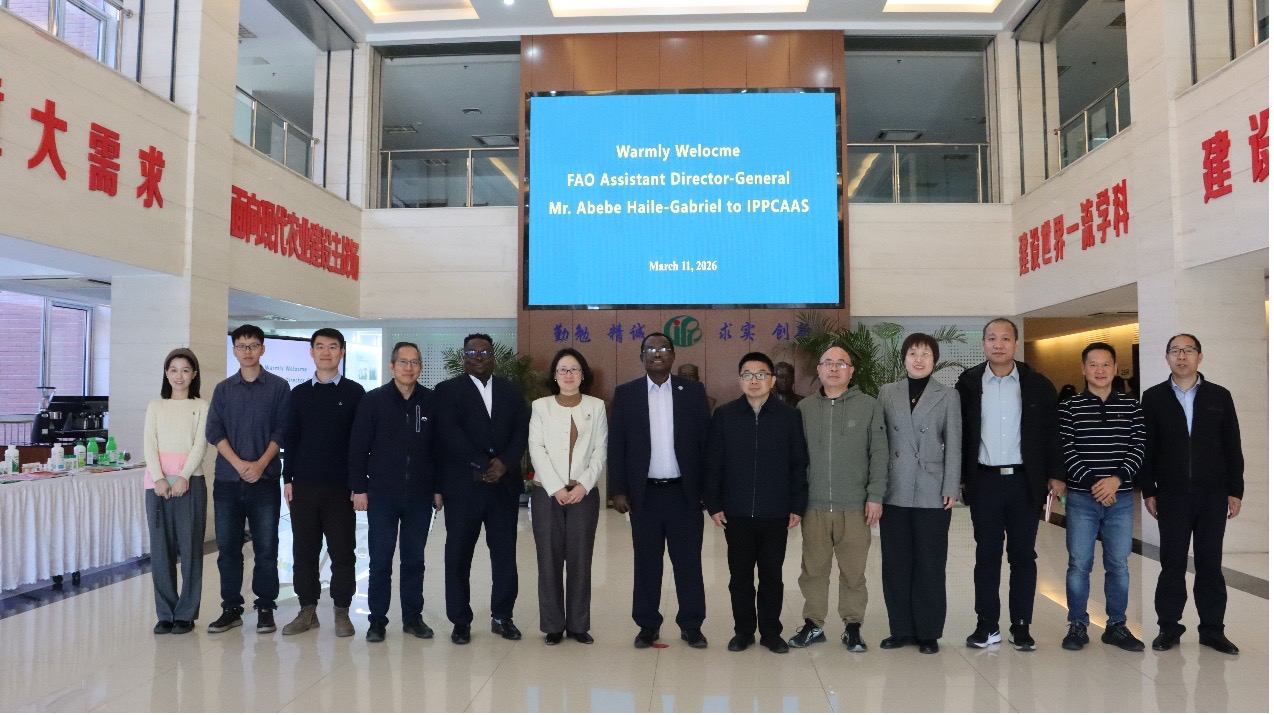 Assistant Director-General of the UN Food and Agriculture Organization Leads Delegation to Visit IPPCAAS
 -
 International Symposium on Plant Biosafety (ISPB 2025) Convenes in Guangzhou — Science-led plant health governance to secure food systems and advance the SDGs
 -
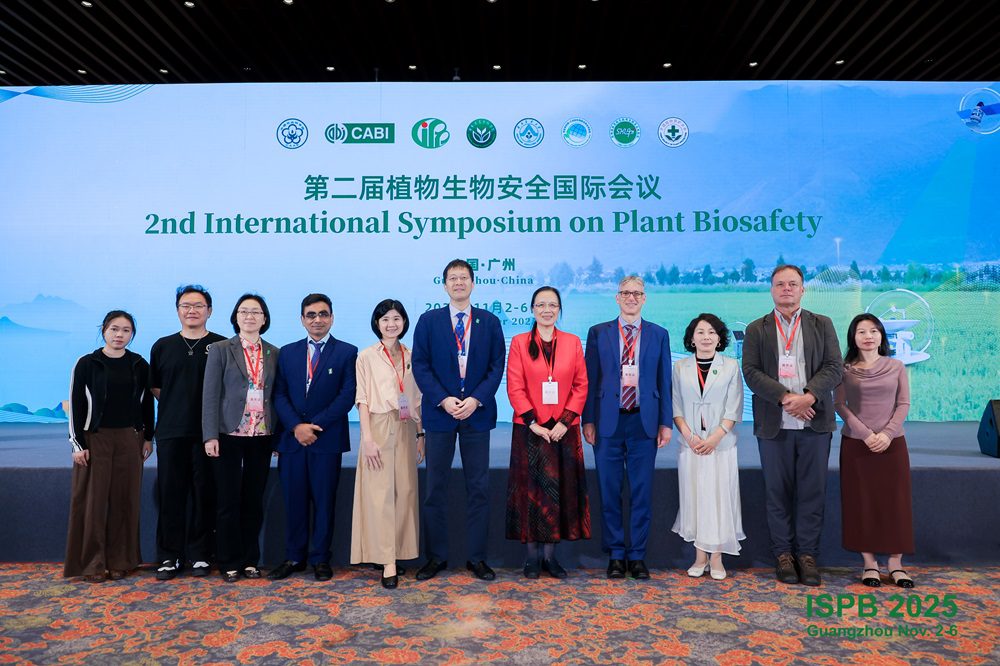 Three decades of China's membership of CABI celebrated at 2nd International Symposium on Plant Biosafety
 -
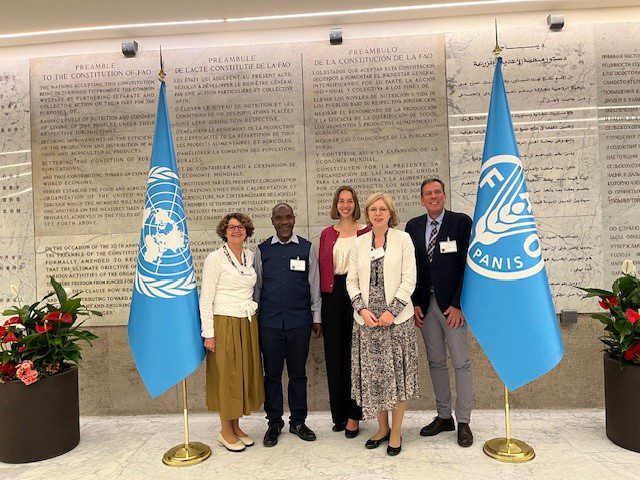 CABI receives recognition from FAO for its work to support sustainable plant production and protection