

IPPCAAS Develops High-Efficacy Nanoemulsion Biopesticide for Targeted Control of Tobacco Target Spot Disease
The Agricultural Antibiotics Innovation Task at the IPPCAAS recently published a research paper titled “Chitosan-derived nanoemulsion enriched with Streptomyces metabolites for target control of tobacco leaf spot, enhanced foliar retention and plant nutrition” in the journal Chemical Engineering Journal (Impact Factor: 13.2). This work successfully developed a novel nanoemulsion based on metabolites from Streptomyces and chitosan derivatives. This biopesticide not only demonstrates high efficacy in controlling tobacco target spot disease but also significantly enhances plant stress resistance and nutrition, highlighting the promising application potential of nano-biopesticides in sustainable agriculture.
Tobacco target spot disease, caused by the pathogen Rhizoctonia solani, has seen frequent outbreaks and rapid spread in recent years, emerging as a major constraint on tobacco production. Although chemical fungicides have long served as the primary control method, their overuse has led to increasing problems such as pathogen resistance and environmental pollution. Consequently, developing efficient and eco-friendly biological control strategies has become an urgent requirement for the sustainable development of the tobacco industry.
Streptomyces strains are known for producing diverse antimicrobial metabolites, holding significant potential for biological control. The research team successfully screened Streptomyces S83, which exhibits strong inhibitory activity against tobacco target spot disease. A composite nanoemulsion system incorporating Streptomyces metabolites and chitosan derivatives was constructed by utilizing electrostatic self-assembly technology. Research results indicate that the chitosan-based nanoemulsion, through nano-synergistic effects and its interaction with leaf surfaces, reduces droplet surface tension, enhances wetting performance, and inhibits water evaporation. In simulated rainwater washing tests, the nanoemulsion showed superior adhesion to foliage, with its leaf deposition rate reaching 2.3 to 2.7 times that of the fermentation broth. Preliminary physiological analysis revealed that nanoemulsion can activate the plant’s antioxidant enzyme system and influence alkaloid accumulation, suggesting its potential to induce systemic resistance in tobacco plants. Filed experiments revealed that the nanoemulsion achieved a disease control efficacy rate of 72.97% against tobacco target spot, significantly outperforming treatments with the fermentation broth alone (57.28%) and a commercial validamycin aqueous solution (57.52%). This study not only provides new microbial strain resources and formulation strategies for the green control of tobacco diseases but also further elucidates the synergistic potential of integrating nanotechnology with biopesticides for the comprehensive management of fungal diseases.
IPPCAAS is the the lead institution on the paper. Joint graduate student Han Xue and Associate Pro. Xu Chunli are co-first authors. Pro. Li Yaning from the College of Plant Protection at Hebei Agricultural University and Prof. Ge Beibei (IPPCAAS) are co-corresponding authors. Associate Pro. Chen Dan from the Tobacco Research Institute of the Chinese Academy of Agricultural Sciences also contributed to this work. The research was funded by the Young Elite Scientists Sponsorship Program by CAST, the Agriculture Science and Technology Innovation Program, the Agricultural Science and Technology Innovation Program of the Chinese Academy of Agricultural Sciences ,and the Major Science and Technology Program of China Tobacco Corporation.
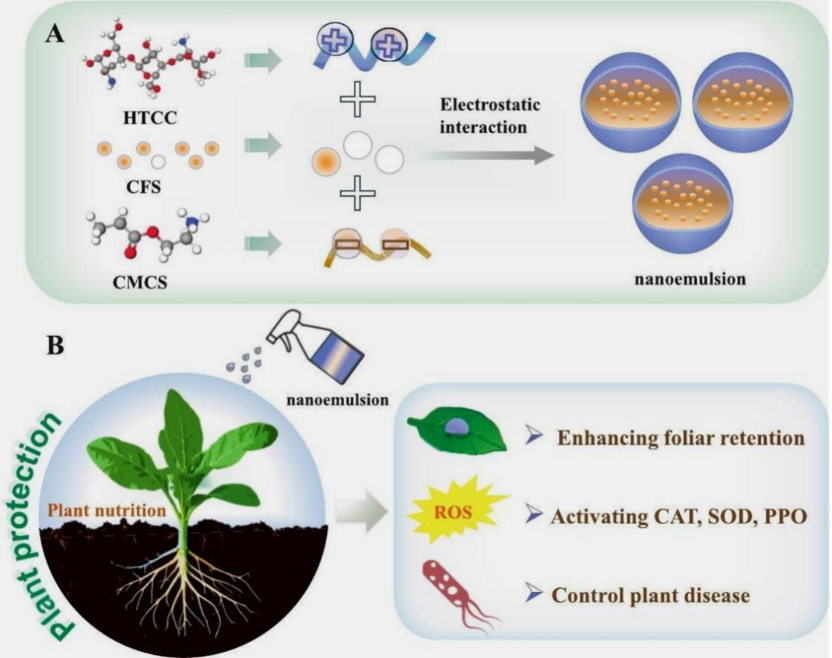
Link: https://www.sciencedirect.com/science/article/abs/pii/S1385894725107596
-
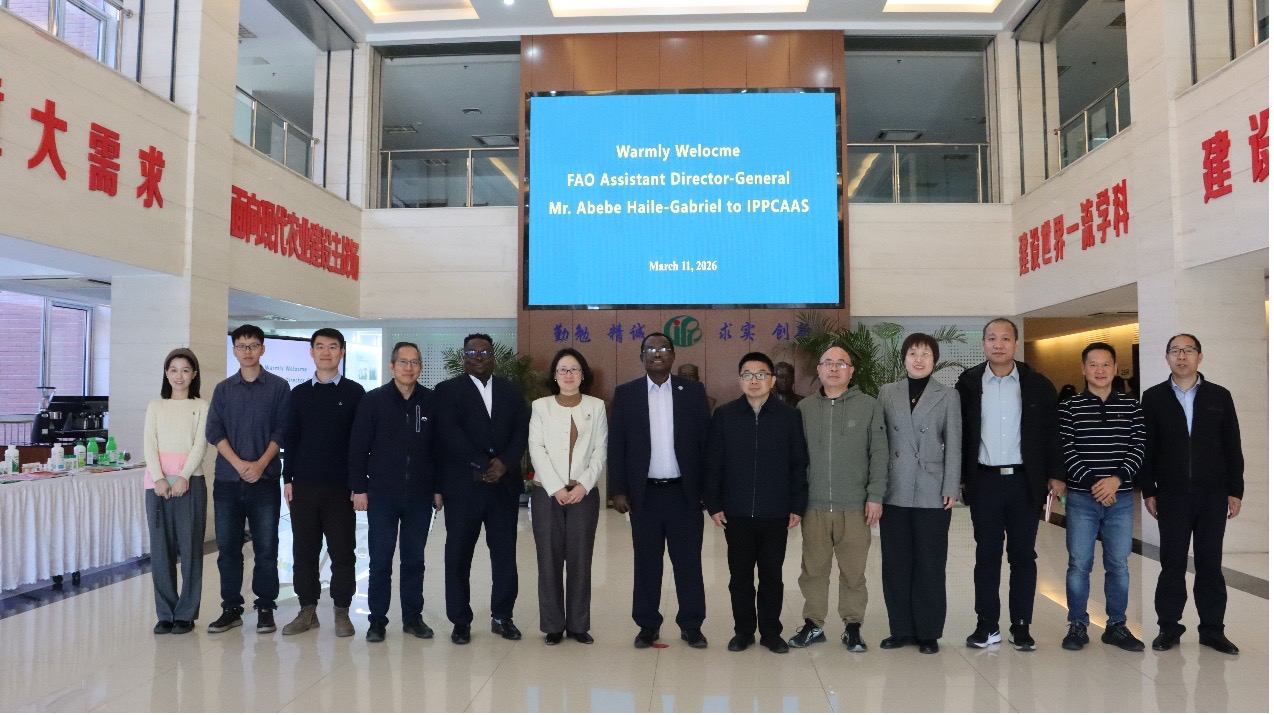 Assistant Director-General of the UN Food and Agriculture Organization Leads Delegation to Visit IPPCAAS
 -
 International Symposium on Plant Biosafety (ISPB 2025) Convenes in Guangzhou — Science-led plant health governance to secure food systems and advance the SDGs
 -
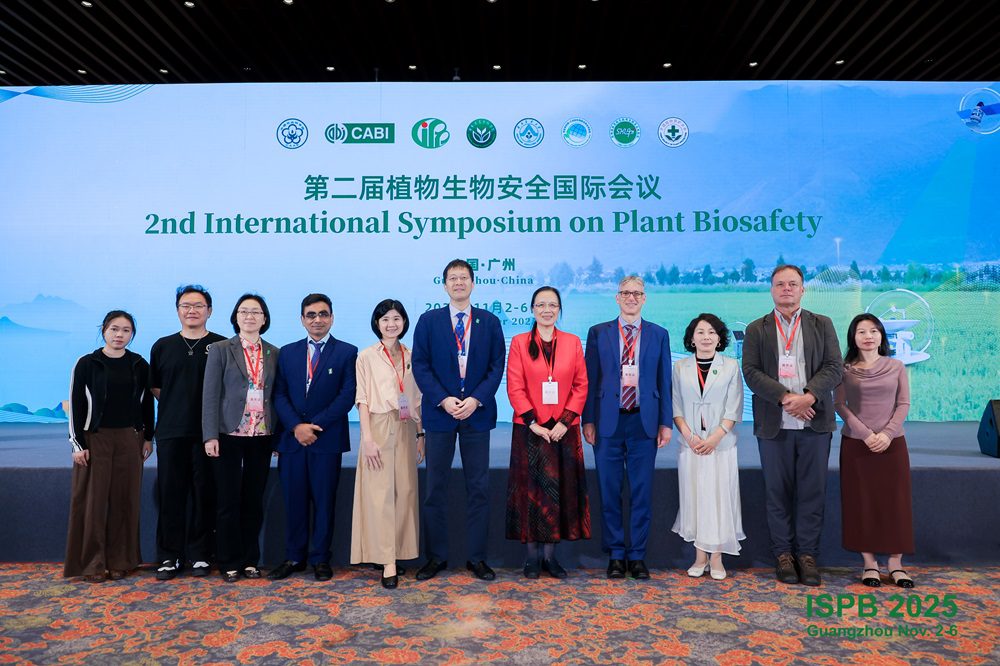 Three decades of China's membership of CABI celebrated at 2nd International Symposium on Plant Biosafety
 -
 CABI receives recognition from FAO for its work to support sustainable plant production and protection