
IPPCAAS Reveals Potential Phytotoxicity of Long-Residual Herbicides to Subsequent Crops in Northern China's Farmland Soils
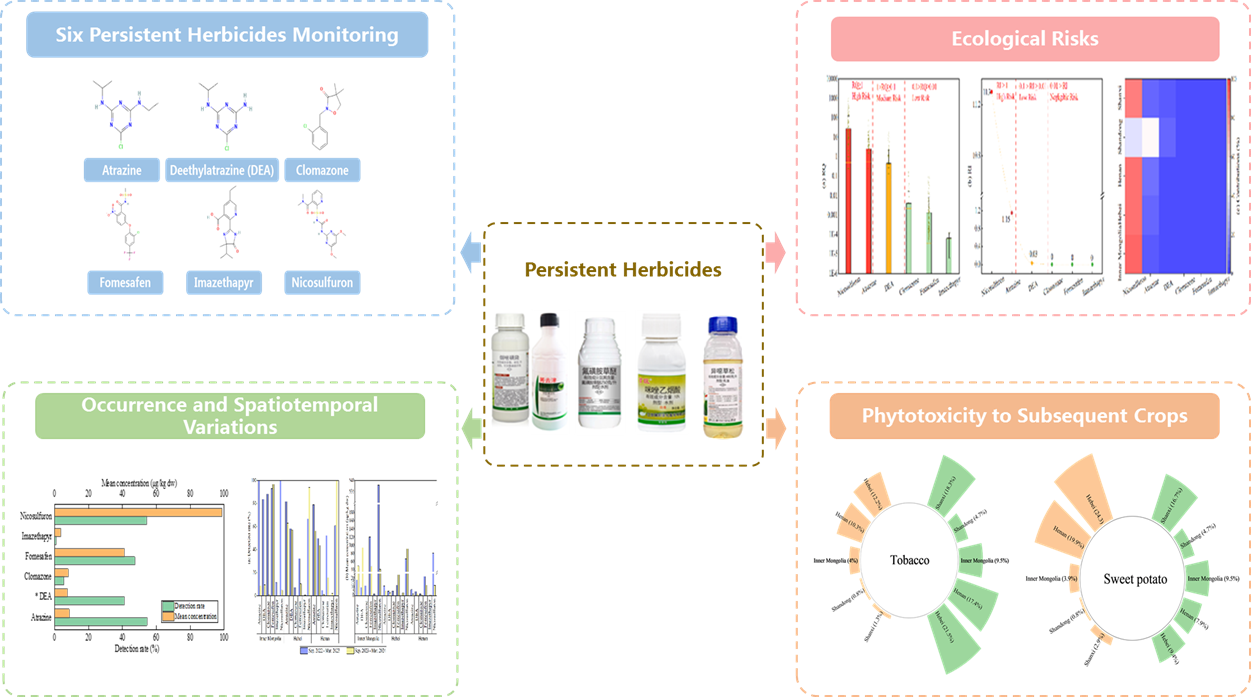
Recently, the Pesticide Application Risk Control Innovation Team at the Institute of Plant Protection, Chinese Academy of Agricultural Sciences (IPPCAAS), published a research paper titled Insights on Persistent Herbicides in Cropland Soils in Northern China: Occurrence, Ecological Risks, and Phytotoxicity to Subsequent Crops in J ournal of Hazardous Materials (IF 12.2). The study, conducted through regional-scale monitoring of soil herbicide residues, is the first to reveal the characteristics of high-risk herbicide residues in farmland soils across northern China and their potential threats to ecological environments and subsequent crops.
Herbicides are vital in enhancing crop yield and quality as critical inputs of modern agriculture. However, unscientific herbicide use, particularly the "hidden phytotoxicity" caused by residues of long-residual herbicides, is emerging as a significant threat to farmland safety. Previous studies have focused on the degradation patterns of single herbicides. Yet, research on the potential risks of multiple herbicide residues to the ecosystem and agriculture is still lacking. This study systematically monitored and evaluated the residue characteristics, ecological risks, and potential phytotoxicity of five long-lasting herbicides in cropland soils in northern China.
The results demonstrated widespread herbicide residues in these soils, with 90.9% of soil samples containing at least one herbicide. Detection rates for atrazine (54.6%) and its metabolite desethyl-atrazine (41.1%), fomesafen (47.3%), and nicosulfuron (54.3%) were higher than those for clomazone (5.5%) and imazethapyr (0.8%). Maximum concentrations reached 182 μg/kg dw, 216 μg/kg dw, 1,405 μg/kg dw, 2,210 μg/kg dw, 52 μg/kg dw, and 15 μg/kg dw, respectively. Risk Quotient (RQ) values indicated unacceptable ecological risks from nicosulfuron (26.95) and atrazine (2.54), while clomazone (0.004), fomesafen (0.001), and imazethapyr (0.00006) posed negligible risks (RQ < 0.01). Atrazine (28.6% of soil samples), nicosulfuron (26.4%), and fomesafen (14%) were identified as posing phytotoxicity risks to subsequent tobacco crops.
This research provides a scientific basis for crop rotation and planting structure adjustments while offering critical insights for establishing herbicide risk management and control systems based on ecological carrying capacity in global intensive agricultural regions.
IPPCAAS is the leading institution in this study. Co-cultivated Ph.D. candidate Kuan Wang (affiliated with CAAS and China Agricultural University) is the first author, and Professor Fengshou Dong serves as the corresponding author. The study was supported by the National Natural Science Foundation of China General Program and the Agricultural Science and Technology Innovation Program of CAAS.
Source: https://www.sciencedirect.com/science/article/pii/S0304389425007083
-
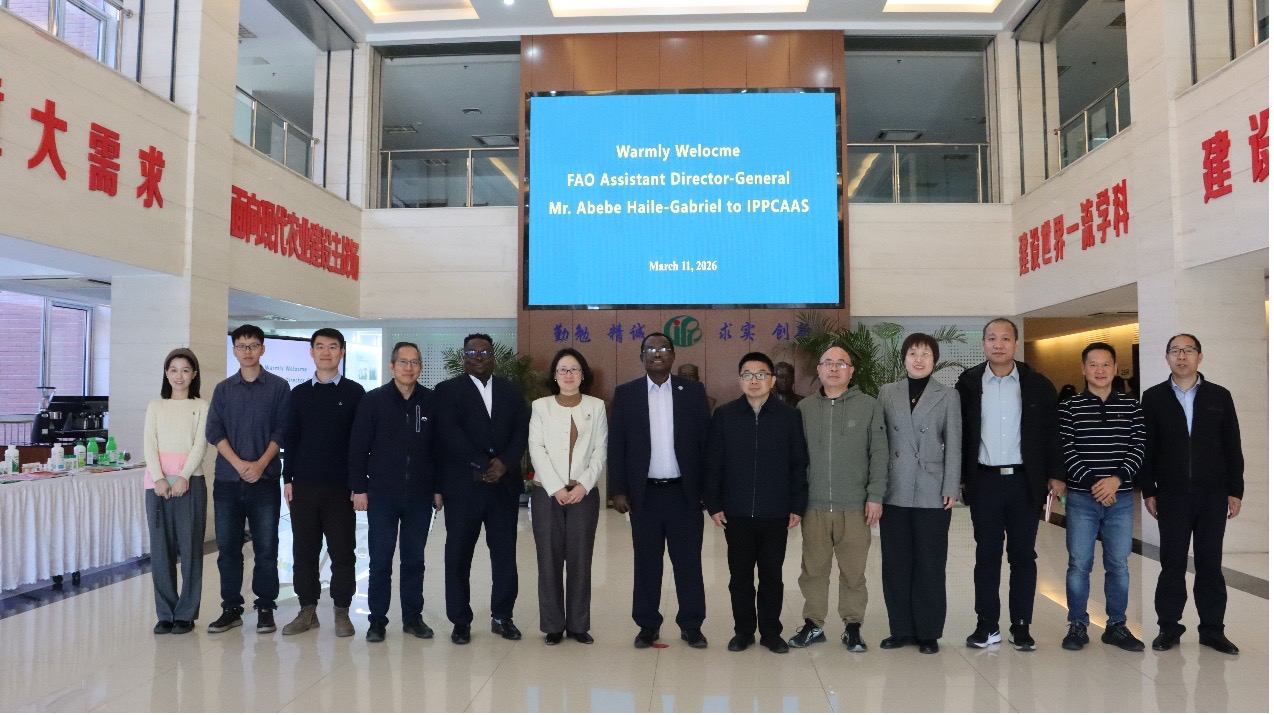 Assistant Director-General of the UN Food and Agriculture Organization Leads Delegation to Visit IPPCAAS
 -
 International Symposium on Plant Biosafety (ISPB 2025) Convenes in Guangzhou — Science-led plant health governance to secure food systems and advance the SDGs
 -
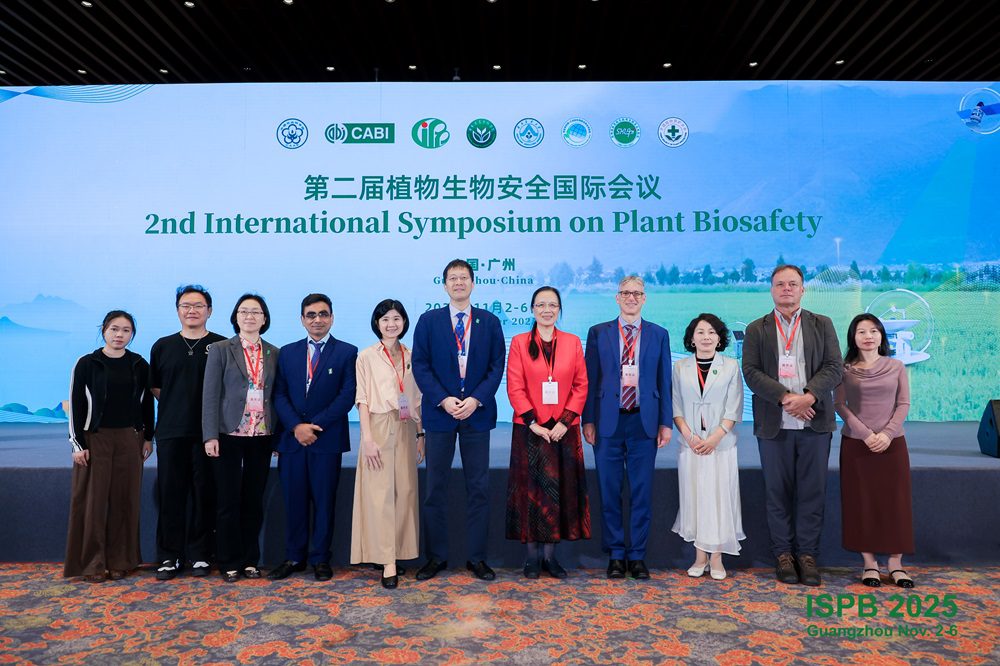 Three decades of China's membership of CABI celebrated at 2nd International Symposium on Plant Biosafety
 -
 CABI receives recognition from FAO for its work to support sustainable plant production and protection