
FAO–China South-South Cooperation Technical Workshop on Sustainable Management of Fall Armyworm and Other Transboundary Pests in Asia Successfully Held in Beijing
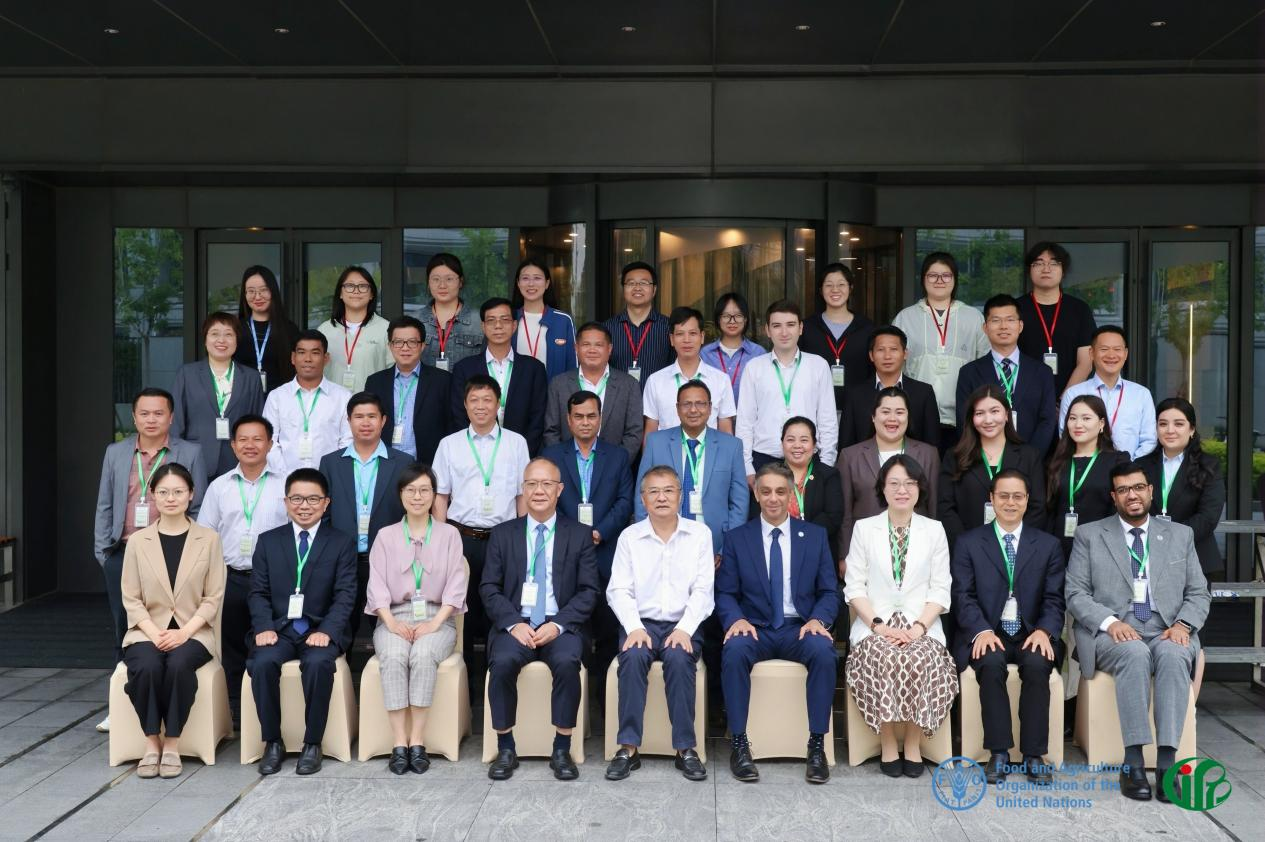
From June 15 to 18, the Technical Workshop on Sustainable Management of Fall Armyworm and Other Transboundary Pests in Asia, under FAO–China South-South Cooperation, was held in Beijing. Hosted by the Food and Agriculture Organization of the United Nations (FAO) and organized by the Institute of Plant Protection, Chinese Academy of Agricultural Sciences (IPPCAAS), the workshop brought together nearly 20 leading plant-protection experts from the Lao People’s Democratic Republic, Viet Nam, Cambodia, Bangladesh, Kazakhstan and Uzbekistan, as well as FAO officials, professors from Chinese universities, researchers from scientific institutions and representatives of relevant enterprises.
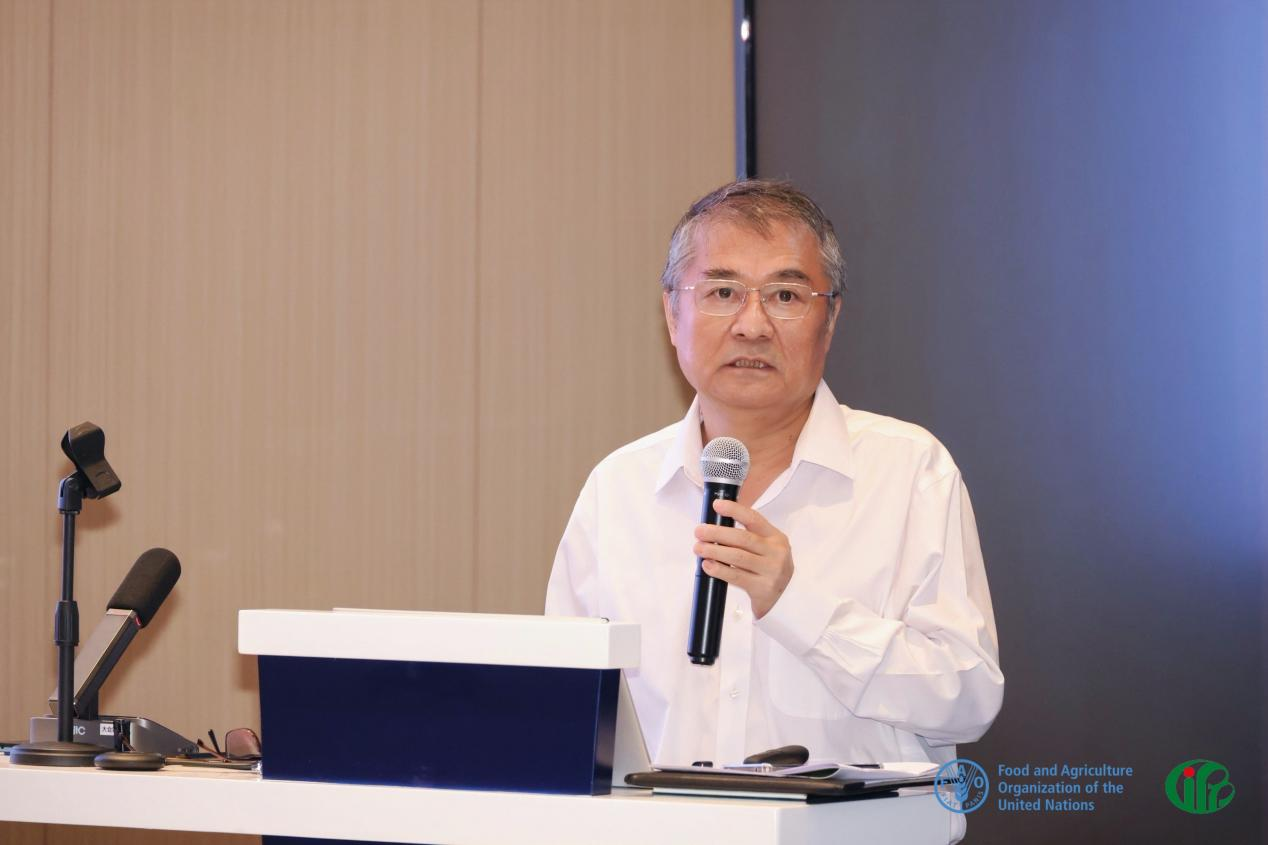
Academician Wu Kongming of the Chinese Academy of Engineering and former President of the Chinese Academy of Agricultural Sciences (CAAS); Carlos Aldeco, FAO Representative in China; Yahui Zhang, Senior Coordinator of FAO’s South-South and Triangular Cooperation Division; Qian Yu, Acting Director General of the Department of International Cooperation of CAAS; a representative of the Center of International Cooperation Service of the Ministry of Agriculture and Rural Affairs of China (MARA); Zeng Juan, a representative of MARA’s Department of Crop Production; and Gu Baogen, Senior Agricultural Officer at FAO, attended the opening ceremony and delivered remarks. The opening ceremony was chaired by Chen Jieyin, Deputy Director-General of IPPCAAS.
Participants noted that transboundary migratory pests are highly mobile and prone to sudden outbreaks, posing a major threat to global food security and agricultural ecosystems. Migratory pests represented by fall armyworm have spread across multiple countries in Asia and damaged food-crop production. Because these threats do not stop at national borders, sustainable management requires deeper South-South Cooperation and stronger regional joint prevention and coordinated control. Participants emphasized that FAO’s South-South Cooperation platforms and mechanisms should be used to promote technological innovation and the sharing of results in transboundary pest management.
With a focus on strengthening practical capacity and promoting technology sharing, the workshop comprised four modules: technical lectures, case studies, field practice and group discussions. More than ten experts from Chinese agricultural research institutes, universities and related enterprises delivered systematic training on monitoring and early warning, integrated pest management (IPM), mass rearing of natural enemies, application of biopesticides, physical and chemical trapping and control, insecticide-resistance management, and intelligent plant protection. Advanced equipment, including smart glasses for 3D identification of crop pests and diseases, was demonstrated on site.
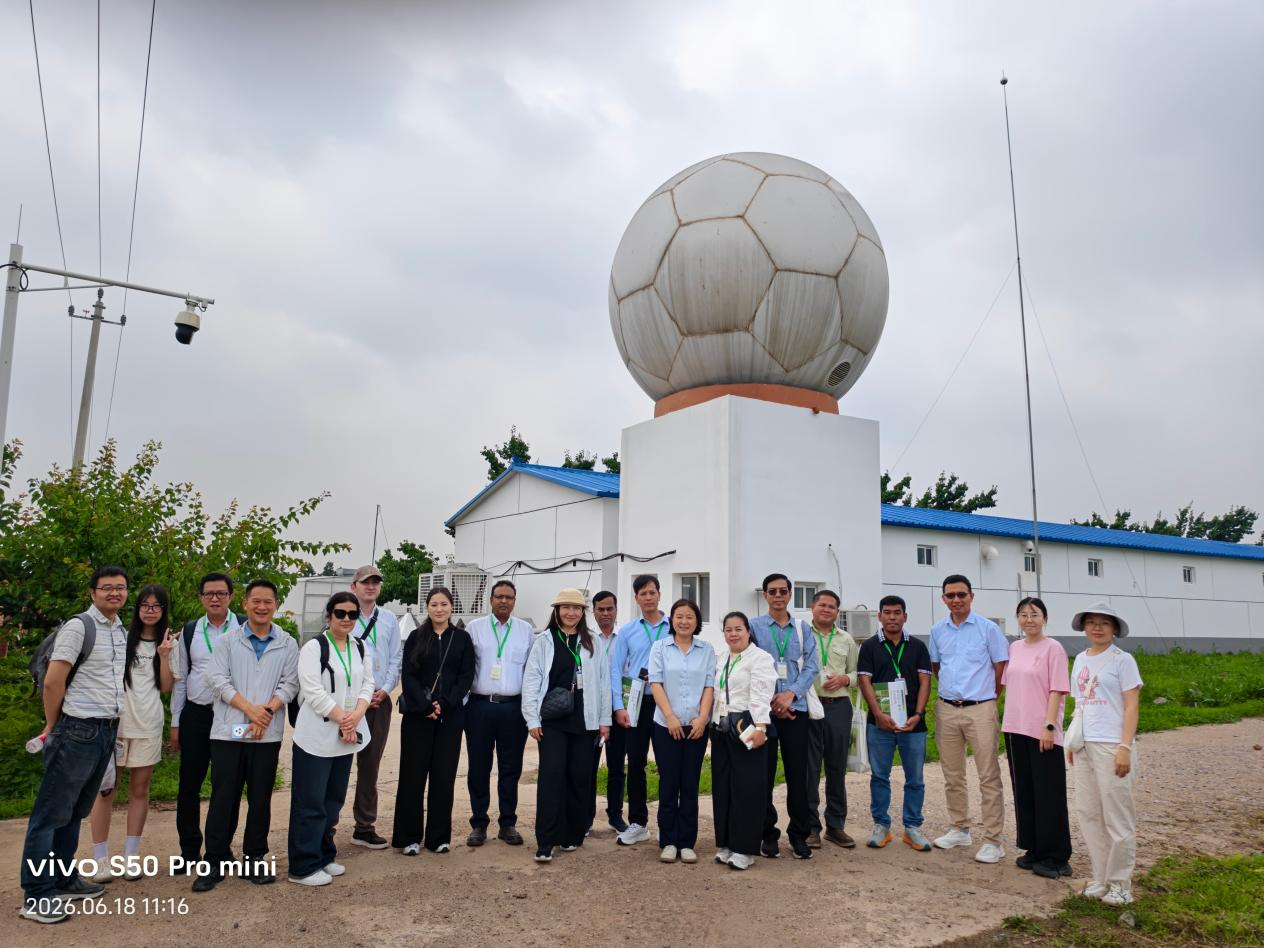
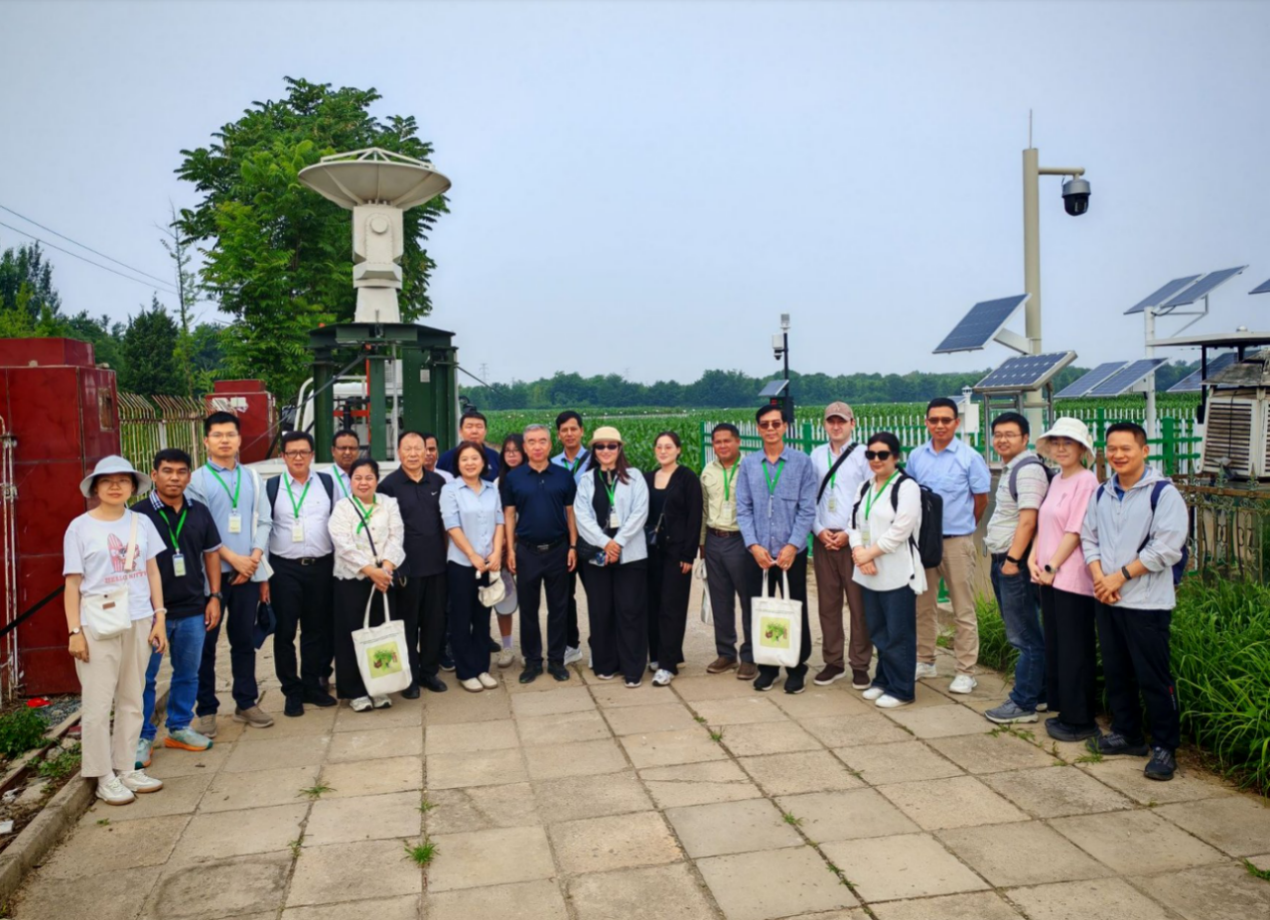
During the workshop, participants discussed early identification and management strategies for transboundary migratory pests in light of the major crops and pest situations in their own countries. They also expressed a desire for stronger future cooperation. Several participants said they would apply the monitoring-network design, green-control and emergency-response methods–and the advanced equipment introduced during the workshop–in their home countries, helping translate training outcomes into practice and safeguard regional food security. Participants also visited field demonstration sites around Beijing to observe intelligent pesticide-application machinery, automated pest-monitoring equipment, radar systems, smart-agriculture systems and digital management platforms.
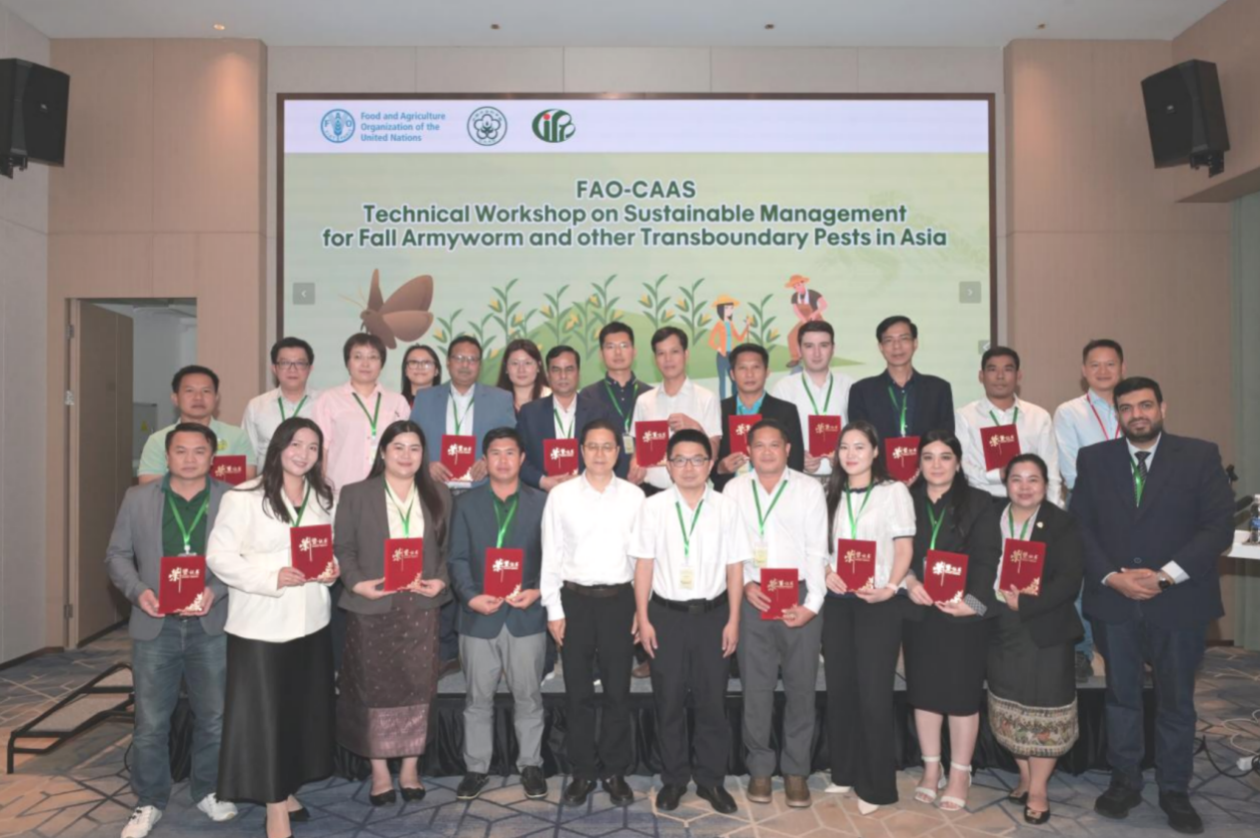
At the closing ceremony, certificates were presented to participants. The workshop marked another important collaboration between CAAS and FAO under the FAO–CAAS Innovation Platform and the South-South Cooperation framework. It strengthened participants’ practical skills, deepened mutual trust and cooperation between China and other Asian countries in plant protection, and laid a solid foundation for a more pragmatic, efficient and inclusive regional cooperation mechanism.
-
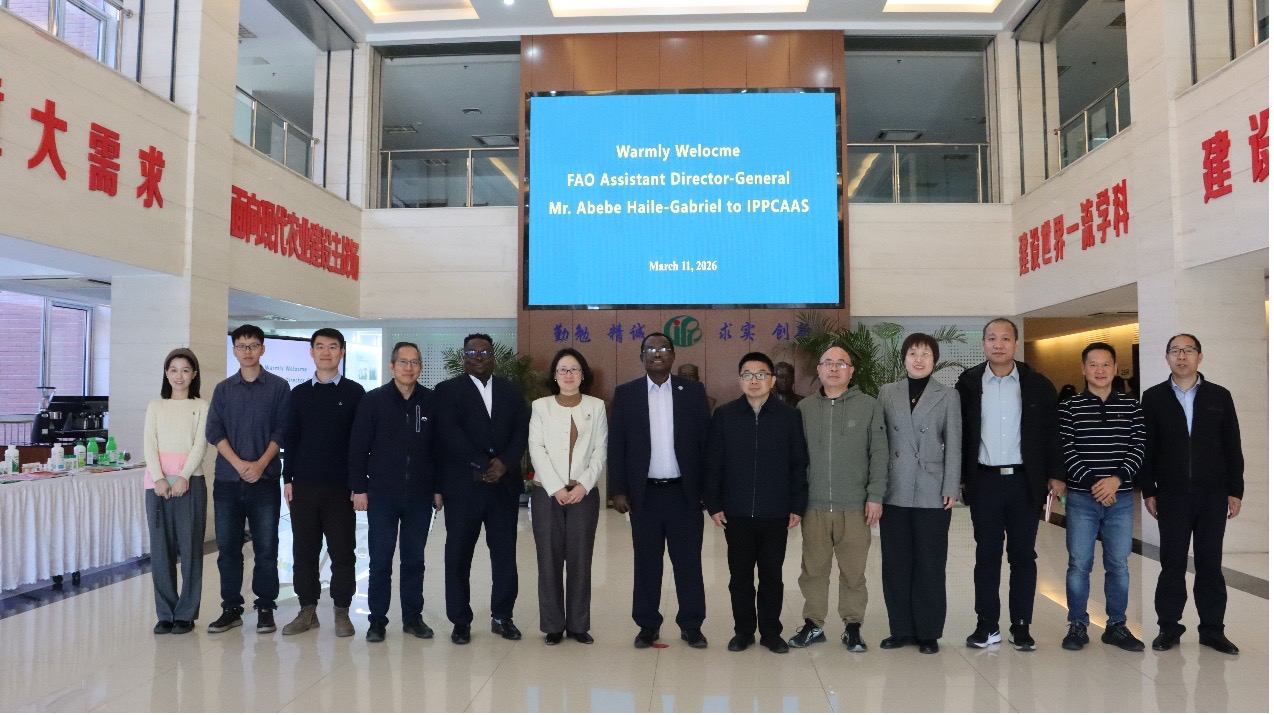 Assistant Director-General of the UN Food and Agriculture Organization Leads Delegation to Visit IPPCAAS
 -
 International Symposium on Plant Biosafety (ISPB 2025) Convenes in Guangzhou — Science-led plant health governance to secure food systems and advance the SDGs
 -
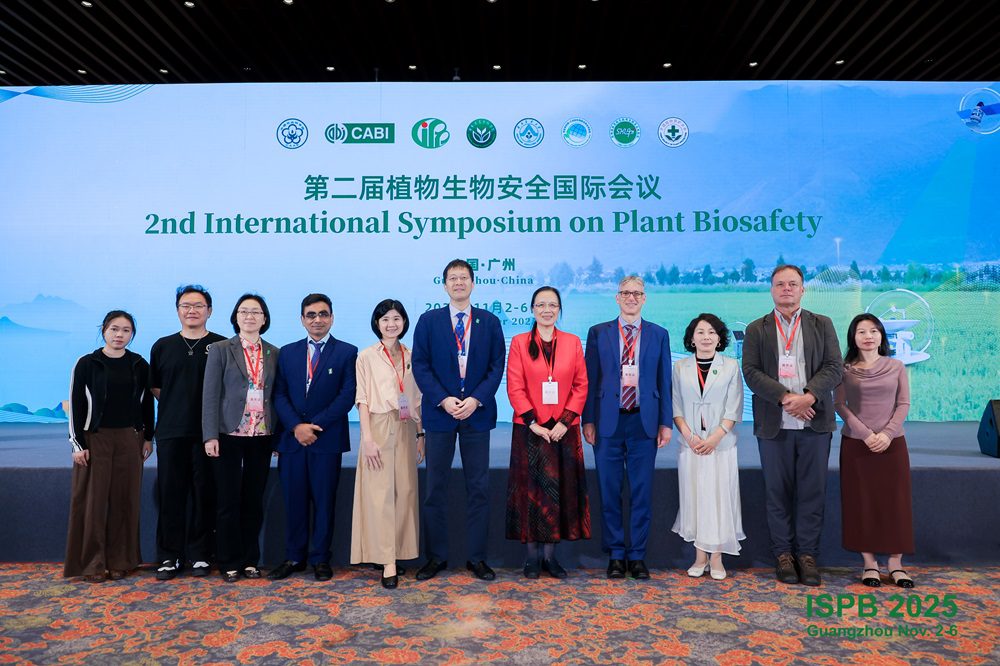 Three decades of China's membership of CABI celebrated at 2nd International Symposium on Plant Biosafety
 -
 CABI receives recognition from FAO for its work to support sustainable plant production and protection