

Cloning and RNA interference analysis of the salivary protein C002 gene in Schizaphis graminum
ZHANG Yong, FAN Jia, SUN Jing-Rui, CHEN Ju-Lian
Abstract
The full-length cDNA of functionally-unknown salivary protein C002 in Schizaphis graminum was cloned using rapid amplification of cDNA ends (RACE) and designated as SgC002 (GenBank accession no. KC977563). It is 767 bp long and encodes a protein of 190 amino acid residues with a predicted mass of 21.5 kDa and a predicted cleavage site of N-terminal signal peptide between the 24th and the 25th residues. SgC002 is specifically expressed in salivary gland with the highest level at the 2nd instar. Introducing SgC002-specific 476-siRNA, but not 546-siRNA to aphids through artificial diet significantly suppressed SgC002 expression. Silencing SgC002 gene led to lethality of the aphid on wheat plants, but not on pure artificial diet. Our study demonstrated that artificial diet-mediated RNAi can be a useful tool for research on the roles of genes in aphid salivary gland, and also provided new insights into the characteristics of C002 in wheat aphids.
Journal of Integrative Agriculture 2015, 14(4): 698–705
-
 Assistant Director-General of the UN Food and Agriculture Organization Leads Delegation to Visit IPPCAAS
 -
 International Symposium on Plant Biosafety (ISPB 2025) Convenes in Guangzhou — Science-led plant health governance to secure food systems and advance the SDGs
 -
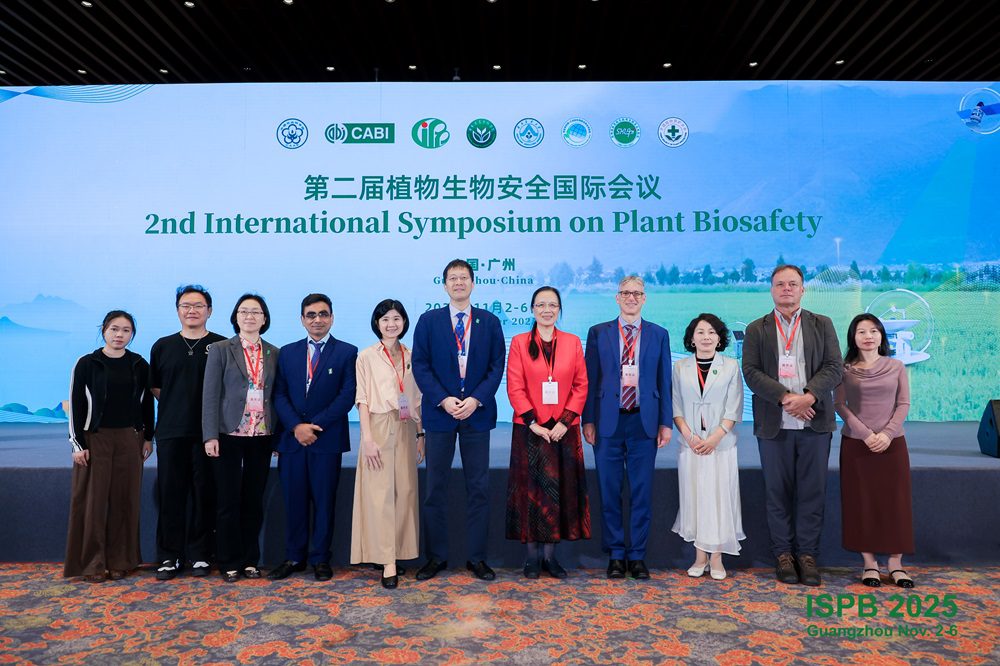 Three decades of China's membership of CABI celebrated at 2nd International Symposium on Plant Biosafety
 -
 CABI receives recognition from FAO for its work to support sustainable plant production and protection